Battery EVs Market: What Are the Proven Growth Drivers?
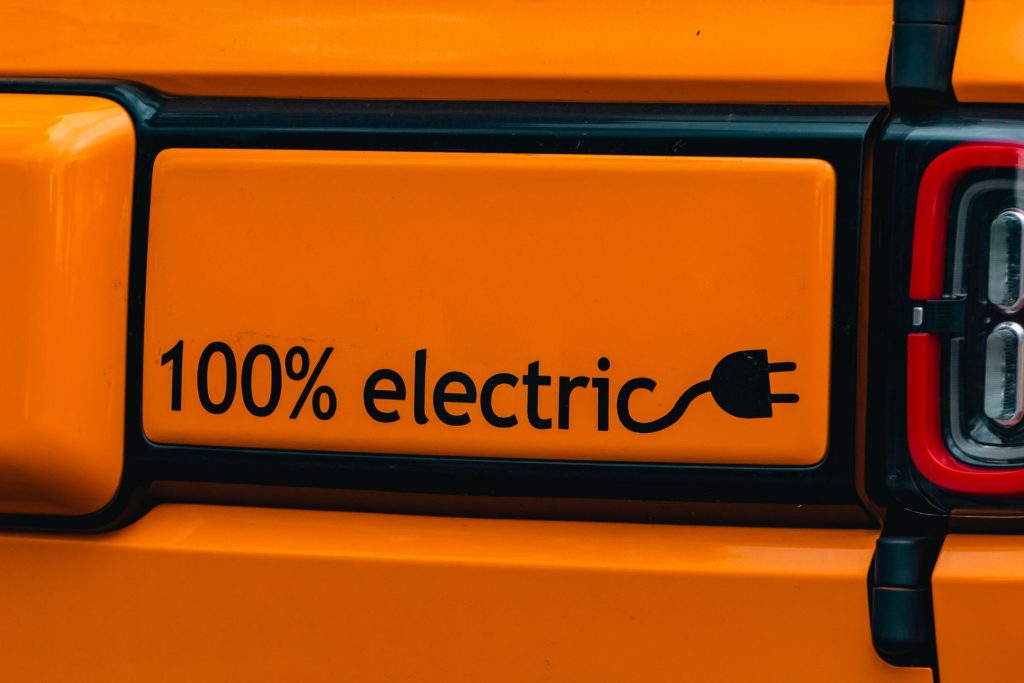
Battery EVs Market is set to experience significant growth due to regulatory push and total cost of ownership gains. This article explores the factors contributing to this expansion.
Overview of the Battery EVs Market
The Battery EVs Market is experiencing significant growth, driven by a combination of regulatory support and advancements in technology. As countries worldwide implement stricter emissions standards, the demand for electric vehicles continues to rise. This regulatory push is a crucial factor in shaping the future of transportation.
In addition to regulations, the total cost of ownership (TCO) for battery electric vehicles is becoming increasingly favorable. Consumers are recognizing that, despite higher upfront costs, the long-term savings on fuel and maintenance make battery EVs a more economical choice.
Several key players in the automotive industry are investing heavily in research and development to enhance battery technology and expand EV models. This focus on innovation is expected to improve driving range, charging speed, and overall vehicle performance, further enticing consumers.
The growth of the Battery EVs Market is also supported by the establishment of charging infrastructure. Governments and private enterprises are collaborating to develop comprehensive charging networks, making it more convenient for consumers to transition to electric vehicles.
In summary, the Battery EVs Market is set for robust expansion, propelled by regulatory initiatives, economic factors, technological advancements, and improved infrastructure.
Key Regulatory Changes Impacting EVs
The Battery EVs Market is experiencing significant growth, largely driven by a series of key regulatory changes designed to promote cleaner transportation options. Governments around the world are implementing stricter emission standards and providing various incentives to accelerate the adoption of electric vehicles.
One of the most impactful policies has been the introduction of zero-emission vehicle (ZEV) mandates, which require automakers to sell a certain percentage of electric vehicles. This has created a competitive landscape that encourages innovation and investment in battery technology.
Additionally, many countries have set ambitious targets for phasing out internal combustion engines, which is further fueling consumer interest in Battery EVs. These initiatives often come with substantial financial incentives, including tax rebates and grants for both manufacturers and consumers, making EVs more accessible.
Furthermore, the establishment of stringent fuel economy standards has compelled automakers to pivot towards electric solutions. This regulatory environment not only supports the growth of the Battery EVs Market but also aligns with global efforts to combat climate change and reduce reliance on fossil fuels.
As these regulatory measures take effect, the market is likely to witness accelerated growth, prompting further advancements in technology and infrastructure to support electric vehicle adoption.
Understanding Total Cost of Ownership
One of the critical factors influencing the Battery EVs Market is the understanding of Total Cost of Ownership (TCO). TCO encompasses not only the initial purchase price of electric vehicles but also the long-term costs associated with ownership.
Battery EVs are often perceived as more expensive than traditional internal combustion engine vehicles; however, when considering TCO, the financial landscape shifts. Key components of TCO include:
- Fuel Costs: Electric vehicles typically have lower fuel costs compared to gasoline or diesel counterparts, due to the decreasing price of electricity and the efficiency of electric drivetrains.
- Maintenance Expenses: Battery EVs have fewer moving parts, leading to reduced maintenance costs. This contributes to savings over the vehicle’s lifespan.
- Incentives and Tax Credits: Many governments offer financial incentives for purchasing battery electric vehicles, which can significantly lower the initial investment.
- Resale Value: As the market matures, the resale value of battery EVs is expected to improve, allowing owners to recoup more of their initial investment.
By considering these factors, consumers are increasingly recognizing the long-term savings, thus driving growth in the Battery EVs Market.
Market Trends and Consumer Preferences
The Battery EVs Market is witnessing significant trends influenced by evolving consumer preferences and technological advancements. As environmental concerns rise, an increasing number of consumers are prioritizing sustainability in their purchase decisions. This shift has led to a growing interest in electric vehicles, particularly battery electric vehicles (BEVs), which are seen as a cleaner alternative to traditional combustion engines.
One prominent trend is the enhancement of charging infrastructure. More charging stations are being installed across urban and rural areas, alleviating range anxiety that many potential buyers face. Additionally, advancements in battery technology are improving the range and performance of BEVs, making them more appealing to a broader audience.
Moreover, consumers are becoming more informed about the total cost of ownership (TCO) associated with battery EVs. Many are recognizing that while the initial purchase price may be higher, the long-term savings on fuel and maintenance can be substantial. This awareness is further driving the Battery EVs Market, as buyers weigh the economic benefits against their environmental impact.
Ultimately, as these trends continue to evolve, the Battery EVs Market is expected to expand significantly, reshaping the automotive landscape in the years to come.
Technological Innovations in EVs
Technological innovations are playing a pivotal role in the growth of the Battery EVs Market, driving advancements that enhance performance, efficiency, and accessibility. Several key developments have emerged that are reshaping the landscape of electric vehicles.
- Battery Technology: Innovations in battery chemistry, such as solid-state batteries, are significantly improving energy density and reducing charging times. This leads to longer ranges and shorter wait times for consumers.
- Charging Infrastructure: The expansion of fast-charging stations and wireless charging technologies is making it easier for consumers to adopt electric vehicles. Enhanced convenience reduces range anxiety, a significant barrier to entry for potential buyers.
- Connectivity and Software: Advanced software solutions and connectivity features are transforming how consumers interact with their vehicles. Over-the-air updates and smart integration with personal devices are enhancing user experiences.
- Autonomous Driving Technologies: The integration of autonomous features is increasing the appeal of battery EVs, promising safer and more efficient transportation options.
These technological advancements not only boost consumer confidence but also contribute to the overall sustainability goals, ultimately propelling the Battery EVs Market toward a promising future.
Challenges Facing Battery EVs
The Battery EVs market is experiencing rapid growth; however, several challenges threaten to hinder its full potential. Addressing these obstacles is crucial for stakeholders aiming to capitalize on the burgeoning demand for electric vehicles.
- Supply Chain Disruptions: The production of battery EVs relies heavily on a complex supply chain, which has been disrupted by global events. Shortages of key materials, such as lithium and cobalt, can lead to increased costs and longer lead times.
- Charging Infrastructure: A robust charging network is essential for the widespread adoption of battery EVs. However, inadequate charging infrastructure in many regions continues to deter potential buyers, impacting overall sales.
- Consumer Education: Misconceptions about battery performance, range anxiety, and the overall benefits of battery EVs contribute to skepticism among consumers. Addressing these concerns through effective education and marketing strategies is vital.
- Regulatory Challenges: While regulatory frameworks are evolving to support battery EVs, varying regulations across different regions can create compliance challenges for manufacturers.
By overcoming these challenges, the Battery EVs market can achieve sustained growth and fulfill its promise as a cornerstone of sustainable transportation.
Future Predictions for Electric Vehicles
As the Battery EVs Market continues to evolve, several future predictions are emerging that highlight its potential trajectory. Analysts project a significant increase in global sales, driven by a combination of regulatory incentives and advancing technologies. By 2035, it is anticipated that the market will undergo substantial transformations, making electric vehicles more accessible and appealing to consumers.
Key factors contributing to this growth include:
- Expanding Charging Infrastructure: The development of widespread and efficient charging networks is expected to alleviate range anxiety, making Battery EVs more convenient for consumers.
- Decreasing Battery Costs: As technology improves, the cost of battery production is predicted to decline, leading to lower vehicle prices and increased adoption rates.
- Enhanced Vehicle Range: Innovations in battery technology will likely result in longer ranges, addressing one of the primary concerns for potential EV buyers.
- Government Incentives: Continued support from governments through rebates and tax credits will further stimulate demand for Battery EVs.
Overall, the outlook for the Battery EVs Market appears promising, with a convergence of market dynamics that favors sustained growth and adoption in the coming years.
Conclusion: The Road Ahead for Battery EVs
As the Battery EVs Market continues to evolve, several factors will shape its future trajectory. The ongoing commitment from governments worldwide to reduce carbon emissions is expected to bolster the demand for electric vehicles. Regulatory frameworks are becoming increasingly supportive, providing incentives for both manufacturers and consumers.
Moreover, advancements in battery technology are driving performance improvements and reducing costs. This trend not only enhances the appeal of Battery EVs but also makes them more accessible to a broader audience.
Consumer preferences are shifting towards sustainable transportation options, with many individuals and businesses prioritizing eco-friendly choices. The increasing availability of charging infrastructure also supports this transition, alleviating range anxiety and making Battery EVs more practical for daily use.
However, challenges such as supply chain disruptions and raw material availability must be addressed to maintain momentum in the Battery EVs Market. Collaboration between stakeholders, including manufacturers, policymakers, and consumers, will be crucial in overcoming these obstacles.
In conclusion, the future of Battery EVs looks promising, driven by regulatory support, technological advancements, and changing consumer attitudes. As the market continues to expand, it is essential to monitor these growth drivers closely.
Photo by Mad Knoxx Deluxe on Pexels