Politician Visiting Card Design: Free Political and Social Worker Card Templates
Politician visiting card templates for corporators, MLAs' offices, party office bearers and social workers. Add your photo, ward, post and office hours, then download print-ready files for public meetings and door-to-door visits.
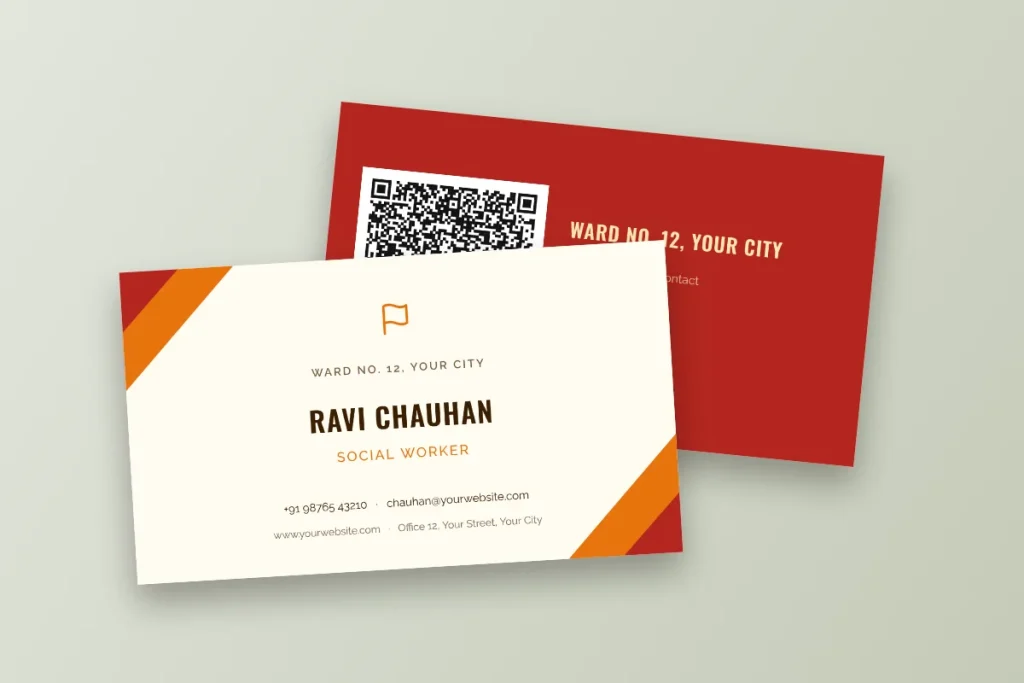
A politician visiting card is how a voter, shopkeeper or official remembers whom to call when a road needs repair or a ration card is stuck. It should show your face, your name, your post or area, and a number that someone actually answers. The templates below suit elected representatives, candidates between elections, party office bearers and independent social workers.
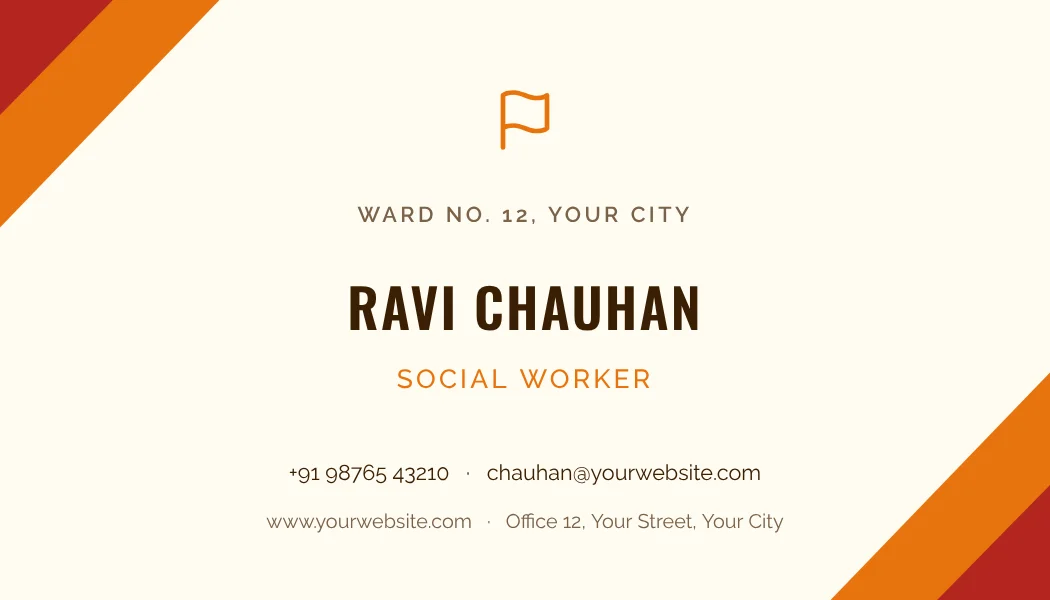
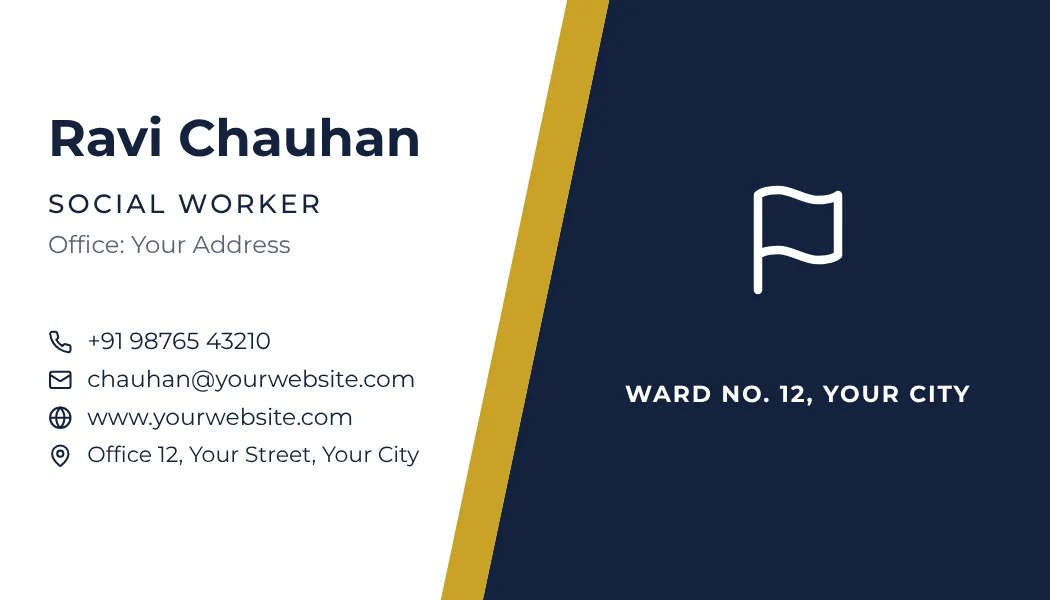
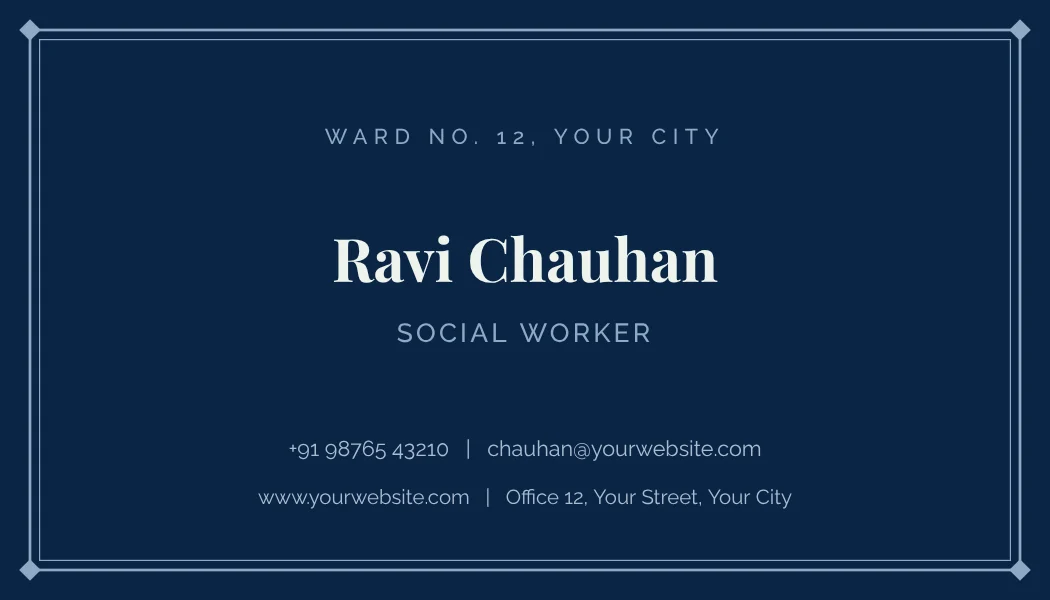
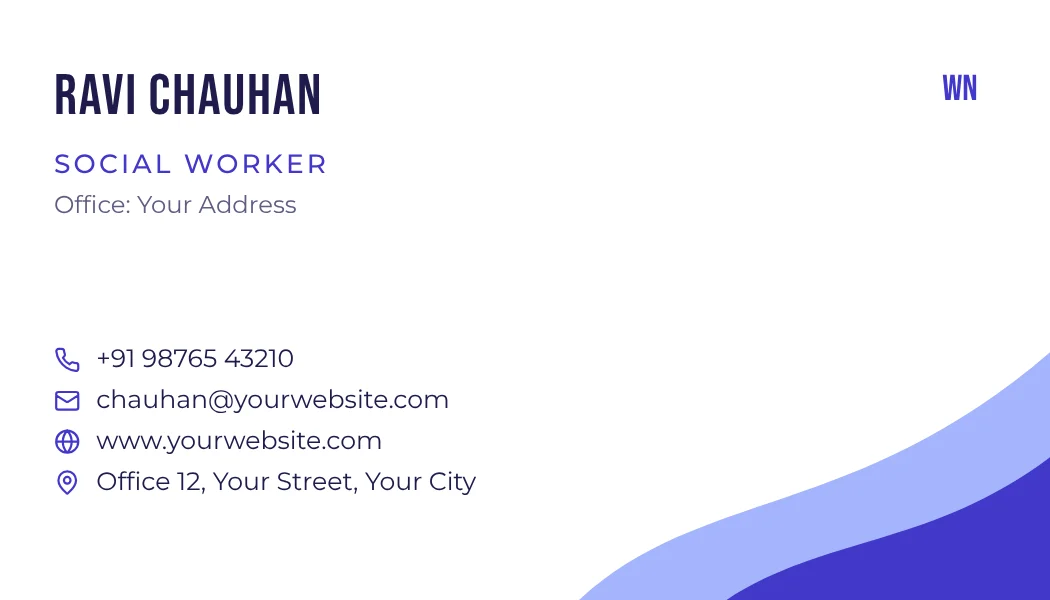
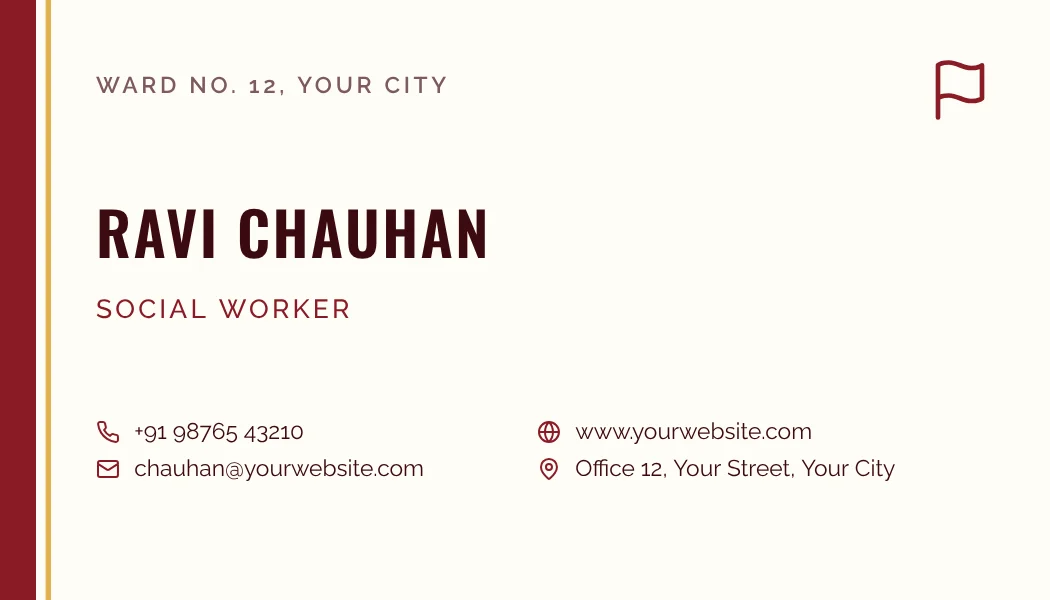
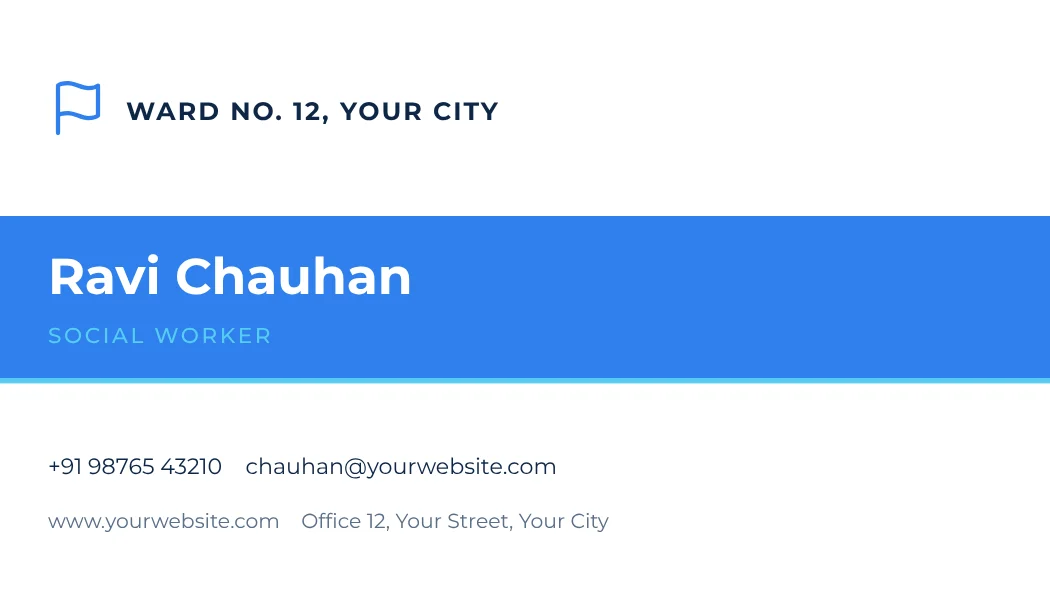
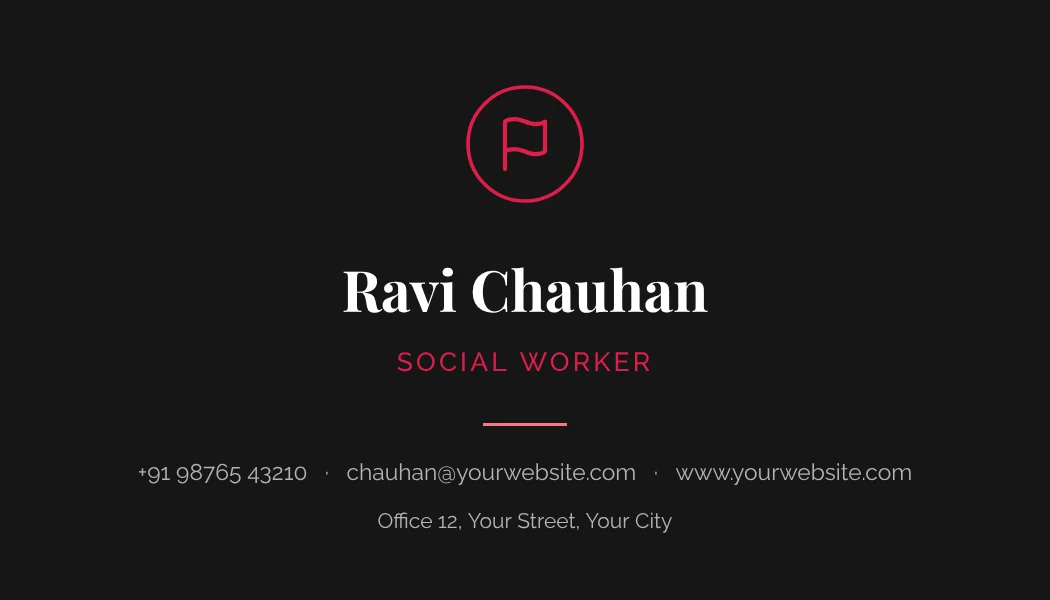
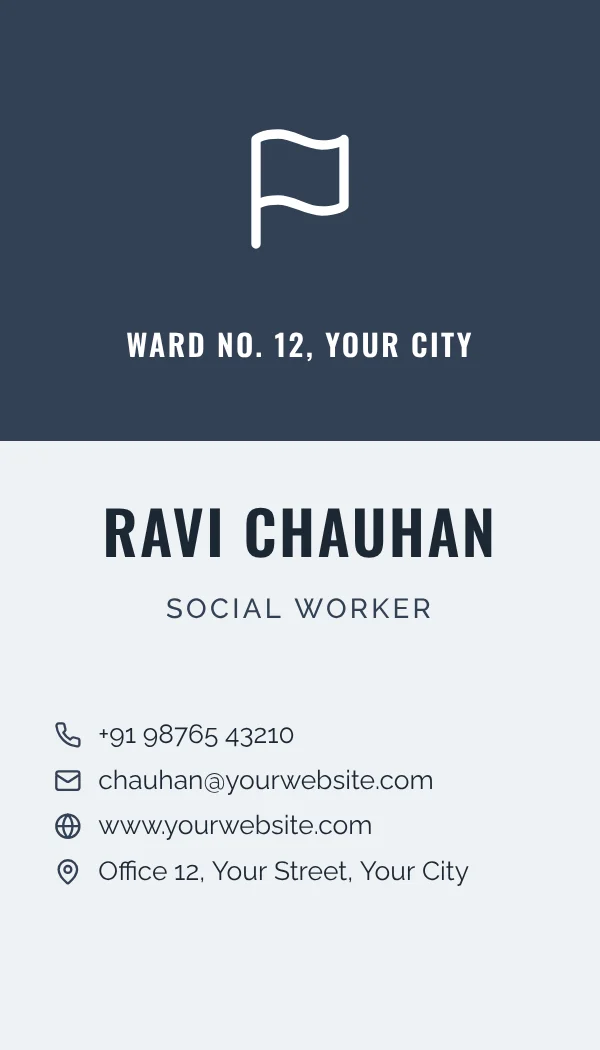
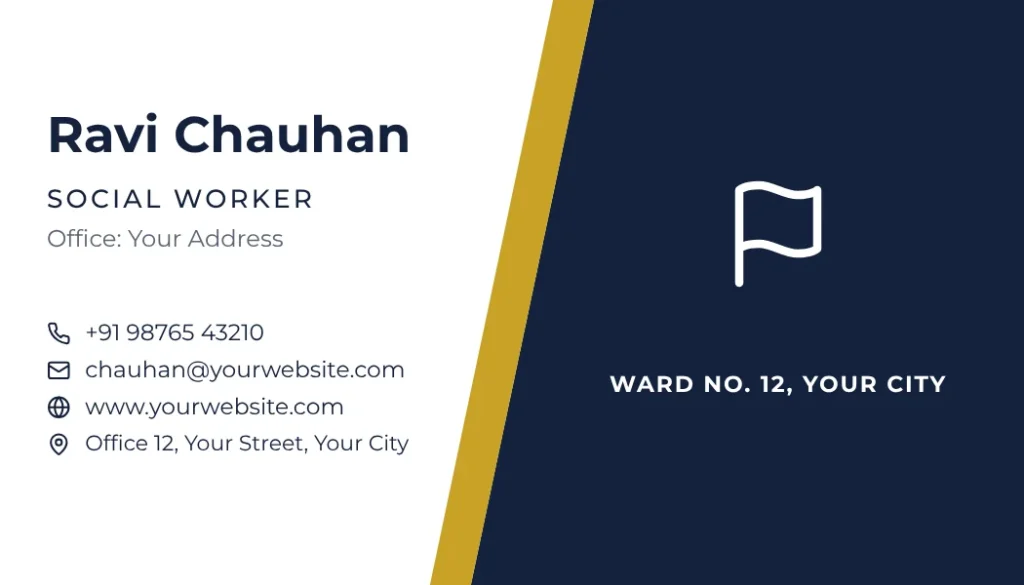
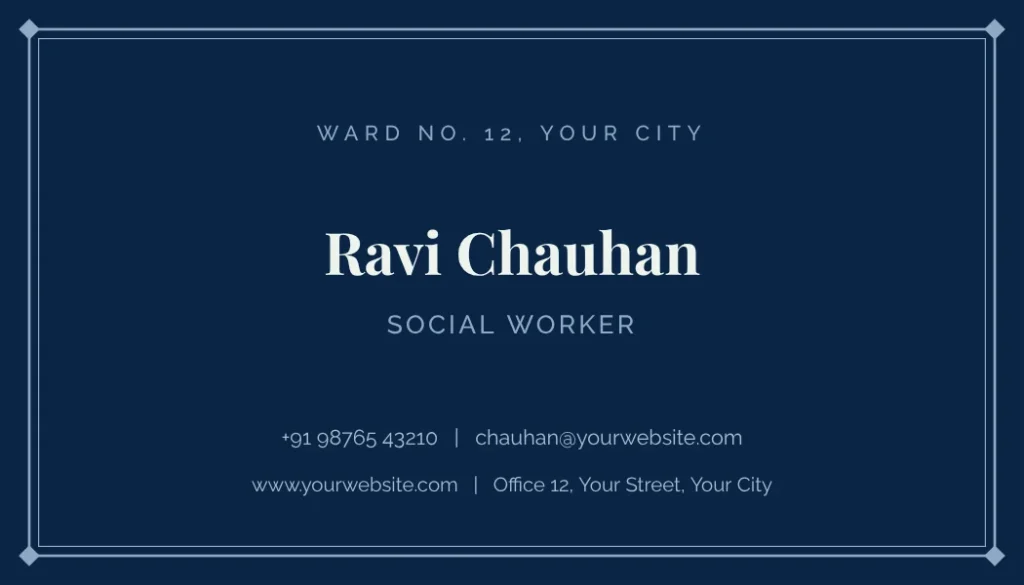
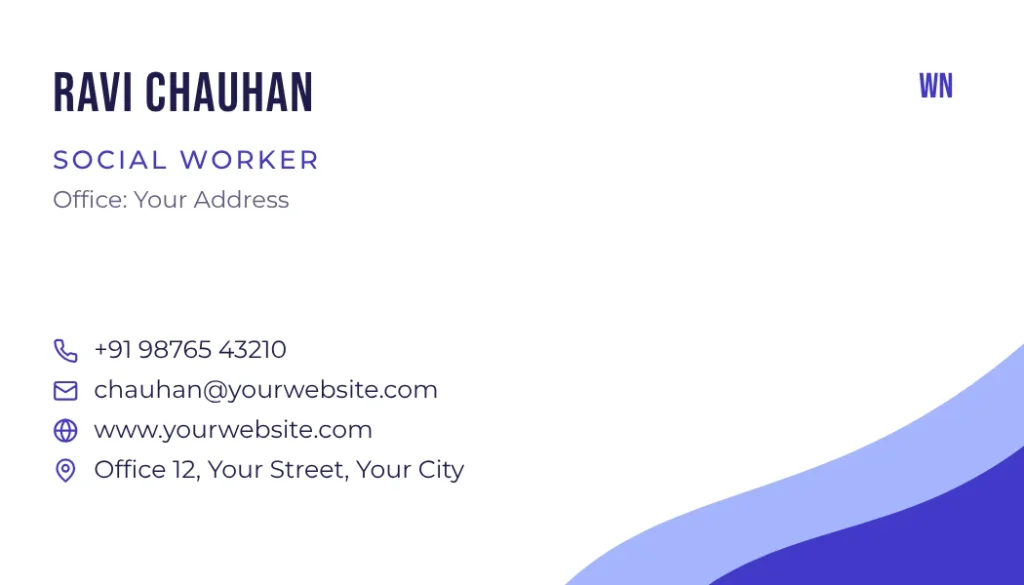
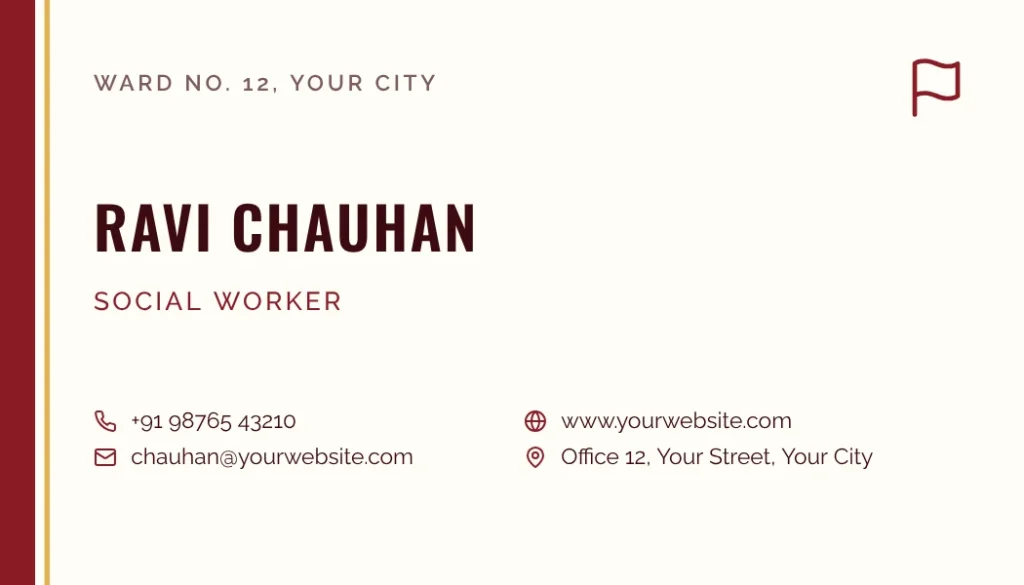
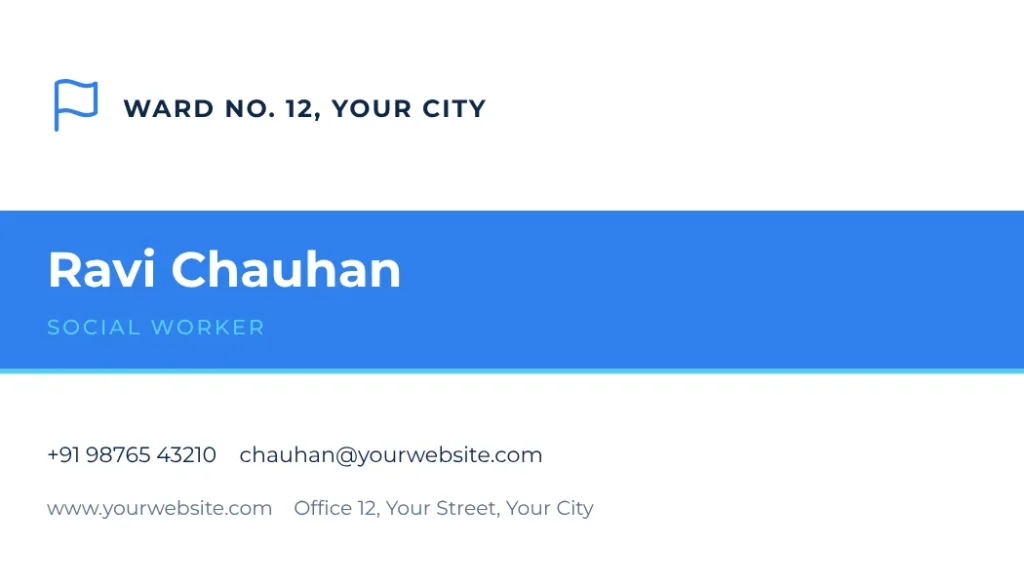
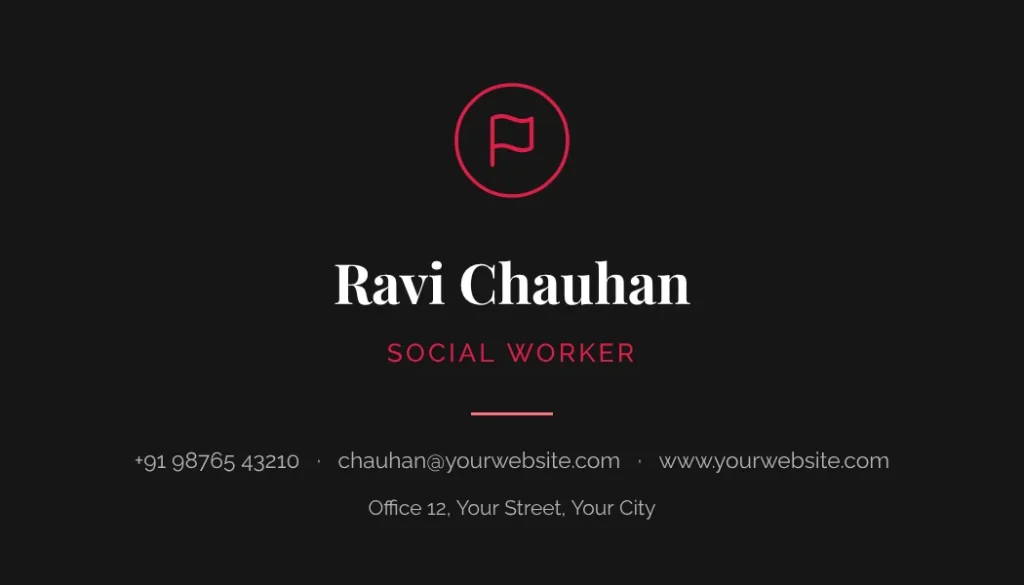
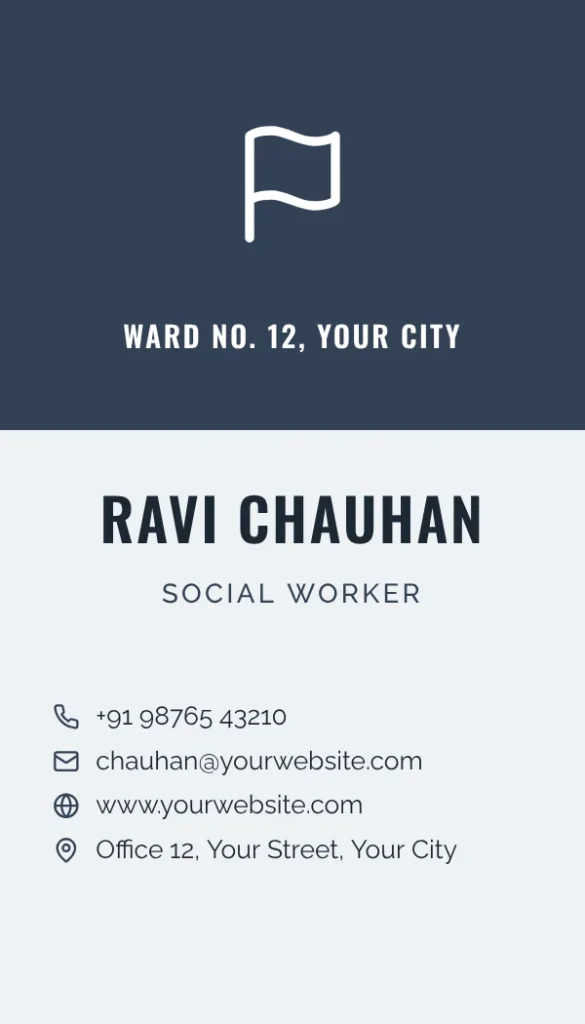
The designs use placeholder details (Ravi Chauhan, Social Worker, Ward No. 12, Your City). Open one in the business card maker, replace the text and photo, and download a PDF, PNG or 10-up sheet.
8 free politician visiting card templates
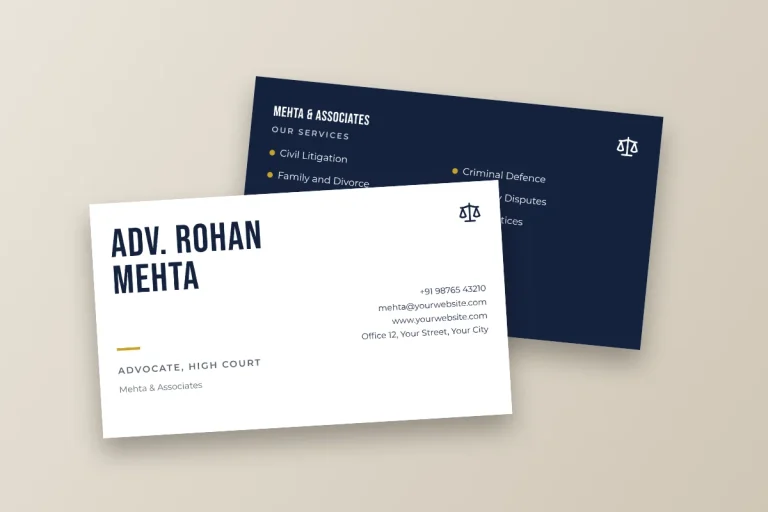
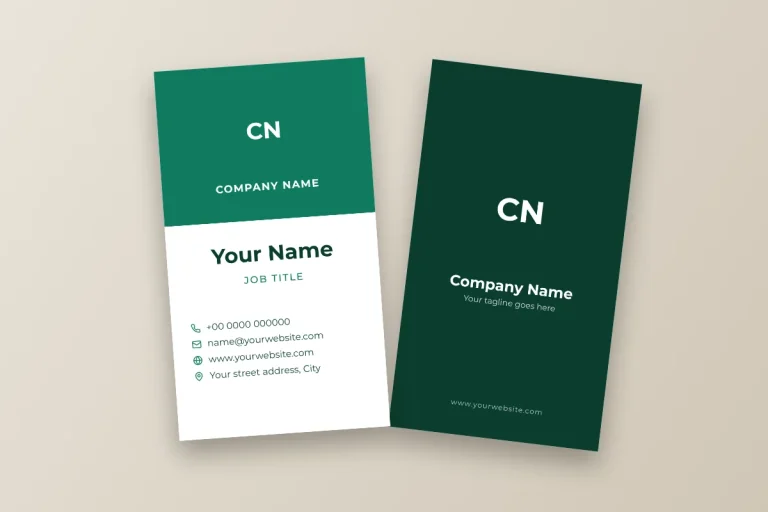
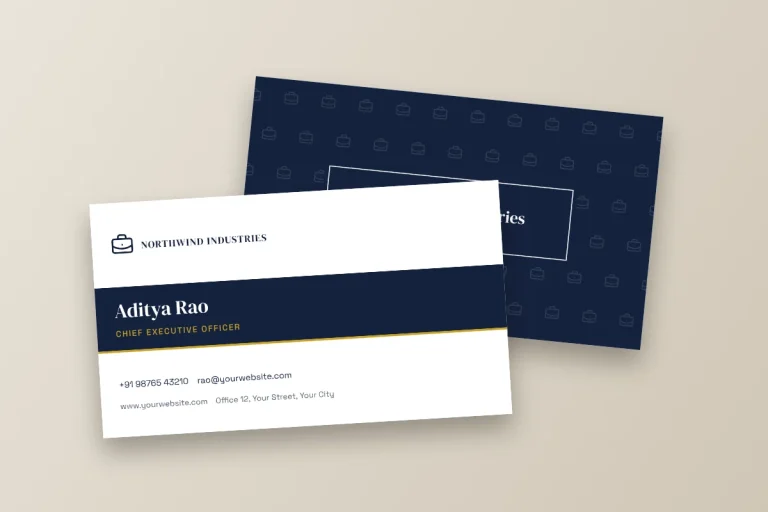
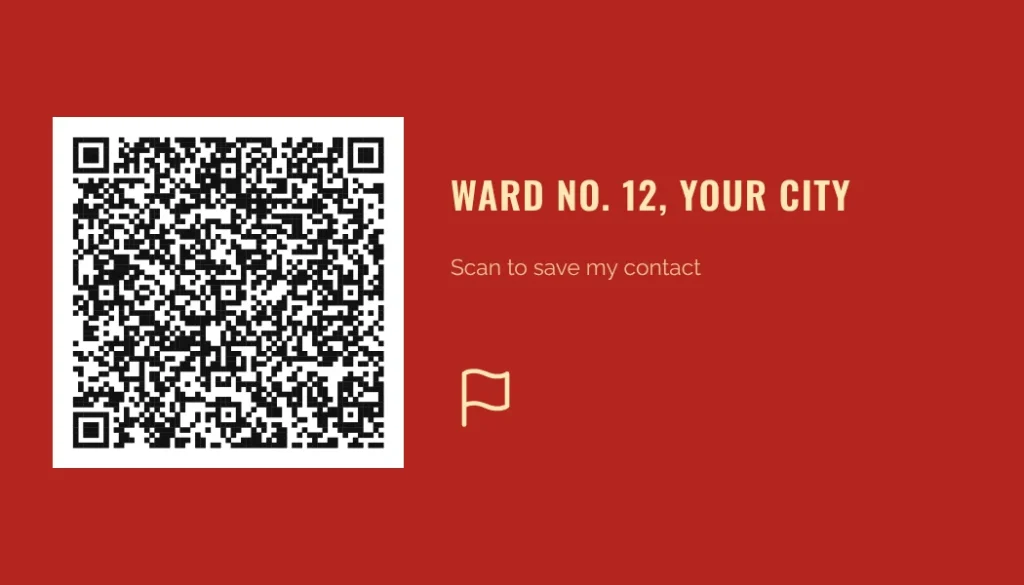
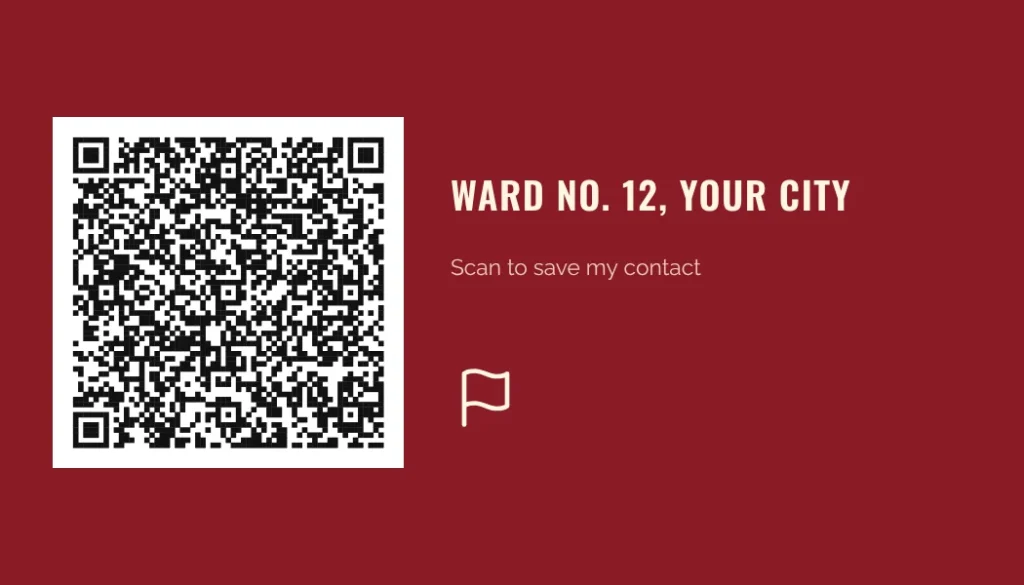
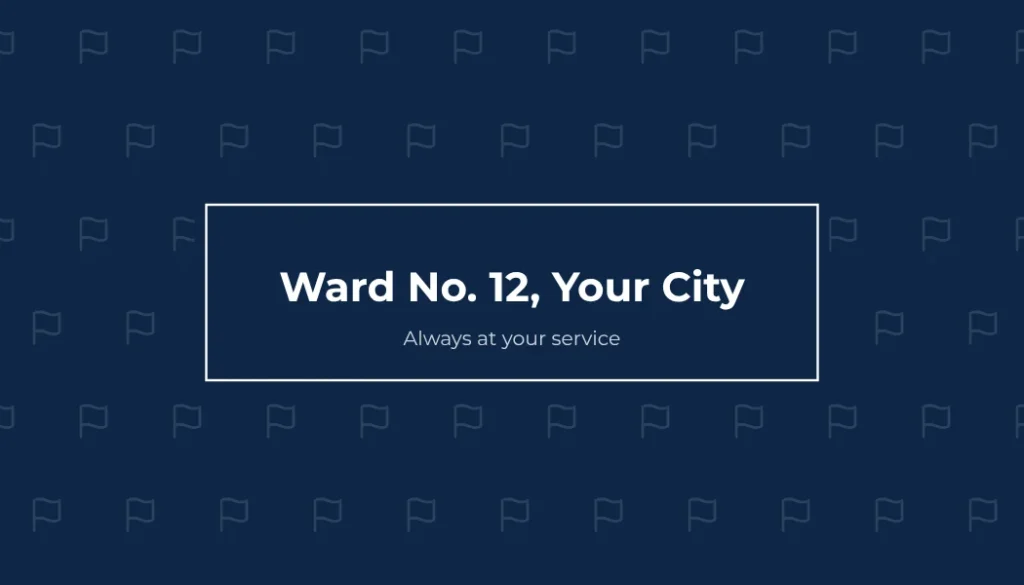
Hover or tap a card to see the back. Customize to edit and download.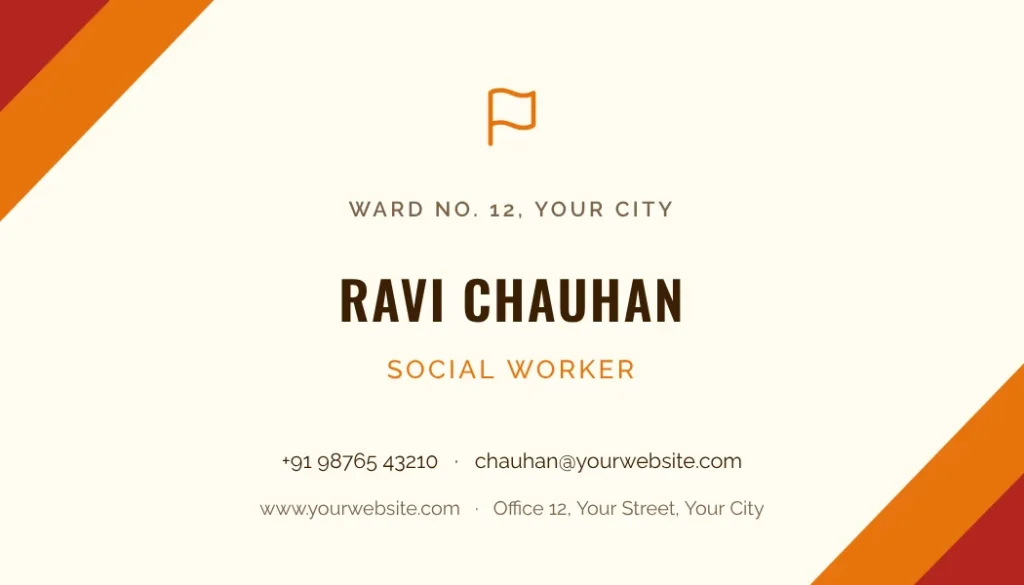
What to include on a political visiting card
- Photo: a clear, recent head-and-shoulders photo. In Indian political cards the face is often as important as the name.
- Name with the form people use, for example "Ravi Chauhan (Ravi Bhai)".
- Post or role: Corporator, Ward Member, Sarpanch, District President, Social Worker. Print only posts you currently hold; add "Former" for past posts.
- Area: ward number, constituency, taluka or village.
- Jan sampark office address and hours, such as "Mon to Sat, 10 am to 1 pm".
- Phone and WhatsApp helpline, ideally an office number that staff answer.
- Social media handles, if you post updates there.
Party symbols, flags and election rules
Do not use a party's symbol, flag, colors arranged as the flag, or a leader's photo unless the party has authorized you to. Independent social workers should avoid anything that could look like a party endorsement.
During elections, materials are treated differently. Under Section 127A of the Representation of the People Act 1951, election pamphlets and posters must carry the names and addresses of the printer and publisher. If you hand out cards as campaign material, treat them like pamphlets: add a print line and follow current Election Commission guidance and your party's legal cell. This page gives general information, not legal advice, so check current rules before printing anything for a campaign.
Design moods for political cards
- Saffron, white and green accents in a balanced way for a neutral, national feel, without recreating any party flag.
- White with a single bold color band and a large photo for a clean, modern look.
- Deep blue or maroon with gold for senior office bearers who want a formal card.
- Photo on the left, text on the right, the most common Indian political layout, or a vertical business card with the photo on top.
Keep the photo crisp: low-resolution photos from phones print blurry. Use a 300 DPI image at the printed size.
Back-side ideas
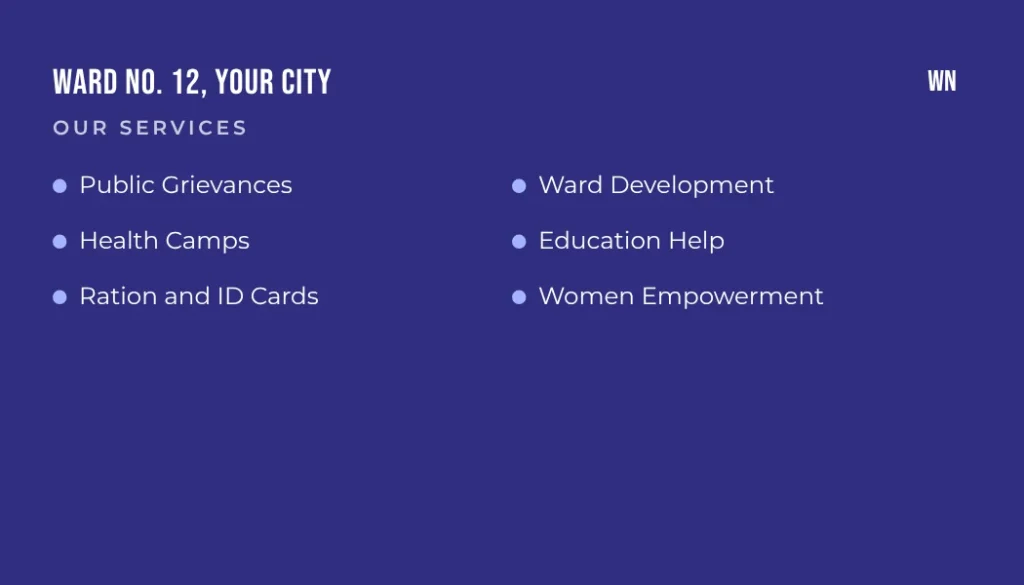
- Areas of work: Public Grievances, Ward Development, Health Camps, Education Help, Ration and ID Cards, Women Empowerment.
- Office hours and a helpline number in large text.
- A short motto, such as "Always at your service", in Hindi, Gujarati or English; both Indian scripts are supported in the maker.
- A QR code that saves your office contact to the phone, so people do not lose the number.
Sample politician visiting card layout
Front:
- Photo, left third of the card
- RAVI CHAUHAN (large)
- Social Worker, Ward No. 12, Your City
- Always at your service
- Mob: 00000 00000 | WhatsApp helpline: 00000 00000
- Office: Your Address, open Mon to Sat, 10 am to 1 pm
Back: areas of work in two columns, contact QR, and a print line if the card is used during an election.
Printing tips
Political cards are printed in large quantities for public meetings and door-to-door visits, so a durable laminated 300 to 400 gsm stock is common. Photos print best when they are high resolution and in CMYK. In India, 3.5 x 2 inches is the most common size and some printers use 91 x 55 mm; see the visiting card size guide. For more photo-led layouts, see visiting card design ideas.
Frequently asked questions
What should be written on a politician visiting card?
Include a clear photo, your name, current post or role, ward or constituency, office address and public hours, a phone or WhatsApp helpline and social media handles. Many cards list areas of work on the back. Print only posts you currently hold, and mark earlier posts as Former to avoid misleading voters.
Can I use my party symbol on a political visiting card?
Only if your party has authorized you to use it. Party symbols, flags and leaders' photos belong to the party, and unauthorized use can create problems. Independent social workers should avoid symbols or color layouts that look like a party flag, and keep the card focused on their own name and work.
Do political visiting cards need a printer's name?
Ordinary visiting cards do not have a specific rule. However, Section 127A of the Representation of the People Act 1951 requires election pamphlets and posters to show the printer's and publisher's names and addresses. If cards are distributed as campaign material, add a print line and follow current Election Commission guidance.
Which design is best for an Indian political visiting card?
The most common layout puts a photo on the left and name, post and area on the right, with a bold color band and a simple motto. Keep the photo sharp and recent. Use neutral colors or accents rather than recreating a party flag unless you are authorized, and keep phone numbers large.
Can social workers use these templates?
Yes. Social workers, NGO volunteers and community leaders can use the same layouts. Replace the post with Social Worker or your organisation's name, list the causes you work on, such as health camps or education help, and add office hours so people know when to reach you.
More templates
 Advocate Visiting Card DesignPlain, dignified advocate visiting card designs with room for your enrolment number, court and chamber...
- Vertical Business Card TemplatesA vertical business card is the standard card turned on its side: 2 x 3.5 in instead of 3.5 x 2 in. It stands...
- Visiting Card Design Templates by ProfessionFind a visiting card design made for your profession. Each of the 45 pages below has templates with the...
- Corporate Visiting Card DesignClean corporate visiting card templates for CEOs, directors, managers and team members, built to carry one...