Wholesale Food Prices: The Worst Rise in Years
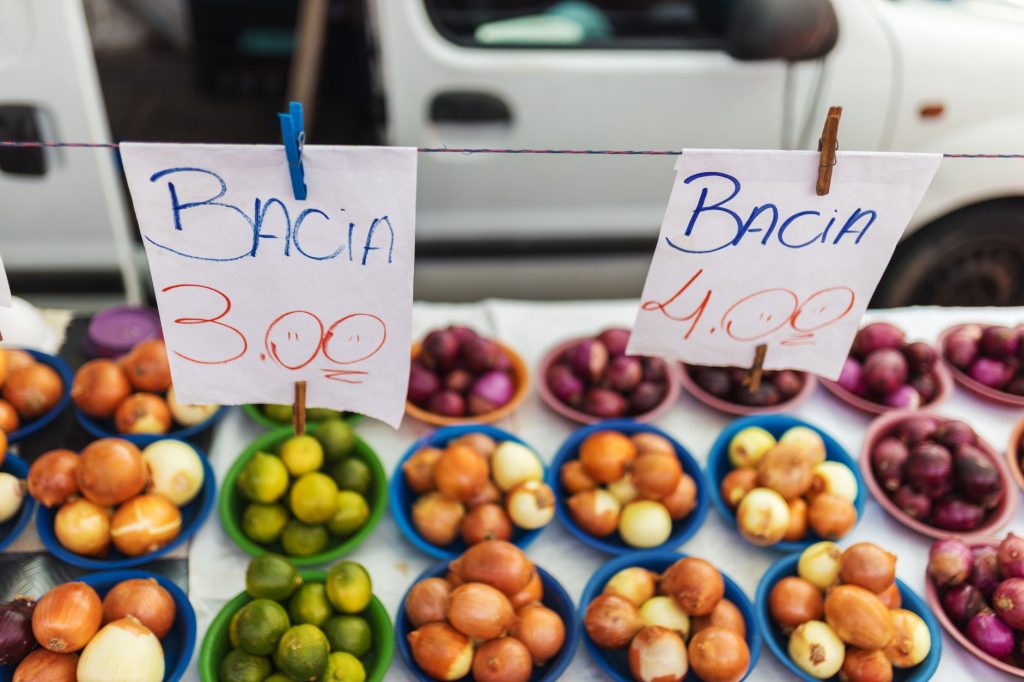
wholesale food prices are on the rise, causing concern among consumers and retailers. This trend is expected to affect food costs in the coming months.
Understanding the Current Rise in Wholesale Food Prices
Wholesale food prices have seen a significant increase in recent months, marking the worst rise in years. This surge is attributed to various factors affecting the global supply chain.
One major contributor to the rising costs is disruptions in production. Adverse weather conditions have impacted agricultural yields, leading to a shortage of essential commodities. Additionally, geopolitical tensions have caused delays in shipping and transportation, exacerbating the situation.
Another factor influencing wholesale food prices is the increased demand for certain products. With many economies recovering from the pandemic, consumer spending has surged, creating a competitive market for food suppliers. As demand outpaces supply, prices inevitably rise.
Furthermore, the cost of inputs such as fuel and fertilizers has escalated, directly affecting the overall pricing of food products. Manufacturers and distributors are now faced with the challenge of balancing these rising costs while trying to maintain profitability.
Looking ahead, experts predict that these trends may continue, putting further pressure on wholesale food prices. It will be crucial for consumers and businesses alike to monitor these changes closely as they adapt to the evolving market dynamics.
Factors Driving Up Food Costs
Several factors are contributing to the significant rise in wholesale food prices, marking the worst increase in years. Understanding these elements is crucial for consumers and businesses alike.
- Supply Chain Disruptions: Ongoing challenges in logistics and transportation continue to affect the availability of food products. Delays in shipping and increased freight costs have led to higher wholesale prices.
- Weather Conditions: Unfavorable weather patterns, including droughts and floods, have severely impacted crop yields. This has resulted in a reduction in supply, thus driving up food costs.
- Labor Shortages: The food industry is facing a significant labor shortage, which has hindered production and distribution. As businesses struggle to find workers, operational costs rise, leading to increased wholesale food prices.
- Increased Demand: A surge in demand for food products, driven by population growth and changing consumer habits, has further strained the supply chain. Higher demand coupled with limited supply creates upward pressure on prices.
These factors combined create a challenging environment for the food industry, with wholesale food prices expected to remain elevated in the near future.
Impact on Retailers and Consumers
The recent surge in wholesale food prices is having significant repercussions for both retailers and consumers. As costs climb, retailers face mounting pressure to either absorb the increases or pass them on to their customers. Many are struggling to maintain profit margins while keeping prices competitive.
For consumers, the impact is palpable. Grocery bills are growing, forcing families to adjust their budgets. The increase in wholesale food prices has led to higher prices on everyday essentials, such as:
- Meat and poultry: Prices have skyrocketed, making it challenging for families to afford quality sources of protein.
- Dairy products: Milk and cheese prices have risen sharply, affecting meal planning and dietary choices.
- Produce: Fruits and vegetables are also seeing price hikes, leading to concerns about healthy eating habits.
As the cost of food continues to rise, experts warn that consumers may begin to make tough choices, prioritizing quantity over quality. The ripple effects of these changes are likely to be felt throughout the economy, with implications for food security and nutrition.
Overall, the increase in wholesale food prices is more than just a statistic; it represents a growing challenge for families and businesses alike.
Historical Trends in Food Pricing
Over the past decade, wholesale food prices have experienced significant fluctuations, reflecting various economic conditions and market dynamics. Historical data indicates that prices have generally trended upwards, with notable spikes during periods of economic instability. For example, the global financial crisis of 2008 saw a dramatic rise in food costs, as supply chains were disrupted and demand fluctuated.
In the years following the crisis, wholesale food prices stabilized, but recent events have led to another surge in costs, marking the worst rise in years. This trend is influenced by multiple factors, including climate change, trade policies, and pandemics, which have all contributed to supply chain challenges. As a result, the cost of basic food items has risen sharply, impacting wholesalers and retailers alike.
Looking back further, the early 2000s saw relatively stable pricing, but the increasing global population and rising consumer demand have put pressure on food production. According to reports, current wholesale food prices are not only reflective of immediate market conditions but also of a long-term trajectory shaped by these historical trends.
Understanding these fluctuations is crucial for both industry stakeholders and consumers as they navigate the evolving landscape of food pricing.
Expert Opinions on Future Price Predictions
As wholesale food prices continue to climb, experts are weighing in on the potential trajectory of these costs in the coming months. Dr. Emily Carter, an economist specializing in agricultural markets, suggests that the current surge may not be a temporary spike. “Given the ongoing supply chain disruptions and inflationary pressures, we could see wholesale food prices remain elevated for the foreseeable future,” she notes.
In contrast, Mark Thompson, a food industry analyst, believes that the market may stabilize soon. “While we are experiencing the worst rise in years, I anticipate that increased production and improved logistics will help bring prices down by next quarter,” he explains.
Furthermore, Laura Chen, a sustainability advocate, emphasizes the importance of consumer behavior in this equation. “If consumers continue to prioritize local and sustainable food sources, we might see a shift in market dynamics that could alleviate some pressure on wholesale food prices,” she states.
As these experts share their insights, it remains clear that the future of food pricing is uncertain. Stakeholders across the industry are keeping a close watch on these developments, hoping for a reversal of the ongoing trend.
Strategies for Consumers to Manage Costs
As wholesale food prices continue to climb, consumers are seeking effective strategies to manage their grocery bills. Here are some practical tips to consider:
- Plan Meals Ahead: Creating a weekly meal plan can help consumers purchase only the items they need, reducing impulse buys and waste.
- Buy in Bulk: Purchasing non-perishable items in bulk can lead to significant savings over time. Items like pasta, rice, and canned goods often have lower prices when bought in larger quantities.
- Shop Seasonal Produce: Fruits and vegetables that are in season tend to be cheaper and fresher. This can help consumers save money while enjoying healthier options.
- Utilize Coupons and Discounts: Keeping an eye out for sales, using store loyalty programs, and applying coupons can help minimize grocery expenses.
- Consider Generic Brands: Generic or store brands often offer similar quality to name brands at a reduced price, allowing consumers to save without sacrificing quality.
By adopting these strategies, consumers can better navigate the challenges posed by rising wholesale food prices and maintain their budgets.
Wholesale Food Prices vs. Retail Prices
The recent surge in wholesale food prices has raised significant concerns regarding its impact on retail prices. While wholesale prices serve as the foundational cost for retailers, the gap between these prices and what consumers pay is becoming increasingly pronounced.
Generally, retailers adjust their pricing strategies based on fluctuations in wholesale prices. As costs rise, many retailers find themselves compelled to pass on these increases to consumers, leading to higher prices at the checkout. However, the extent of this rise can vary widely based on several factors:
- Supply Chain Dynamics: Disruptions or inefficiencies can exacerbate the price increase.
- Consumer Demand: Heightened demand can push retail prices even higher.
- Competition: Retailers may absorb some costs to remain competitive, delaying price increases.
Despite these variables, the trend shows that consumers are likely to experience noticeable price hikes. This situation is particularly concerning for households already struggling with rising living costs. As the gap between wholesale food prices and retail prices widens, the overall affordability of food may become a pressing issue for families across the country.
Government Policies Affecting Food Prices
The recent surge in wholesale food prices can be attributed in part to various government policies that have influenced the agricultural and food distribution sectors. These policies, designed to stabilize markets and ensure food security, may have unintended consequences that contribute to rising costs for consumers.
Among the key government initiatives affecting food pricing are:
- Subsidy Programs: While intended to support farmers, these programs can inadvertently drive up wholesale food prices by encouraging overproduction in certain sectors, leading to market saturation.
- Trade Tariffs: Imposed on imported goods, tariffs can increase the cost of raw materials, which ultimately gets passed down the supply chain, affecting wholesale food prices.
- Regulatory Changes: New regulations aimed at improving food safety and sustainability can require significant investments from producers, leading to higher prices for wholesale goods.
- Environmental Policies: Initiatives designed to combat climate change may impact farming practices, potentially reducing yield and increasing costs for wholesale food.
As these policies continue to evolve, their long-term effects on wholesale food prices remain to be seen, with both retailers and consumers bracing for the potential impact on their budgets.
Photo by Matheus Bertelli on Pexels
References
Related stories
Denza Z9 GT Launch: Worth the Price with Proven Features · Hidden Expenses and Key Factors That Influence SEO Cost · AI Air Traffic Tool: The Smart Solution for Safer Flights