Nio driving AI: Best Proven Technology for Europe
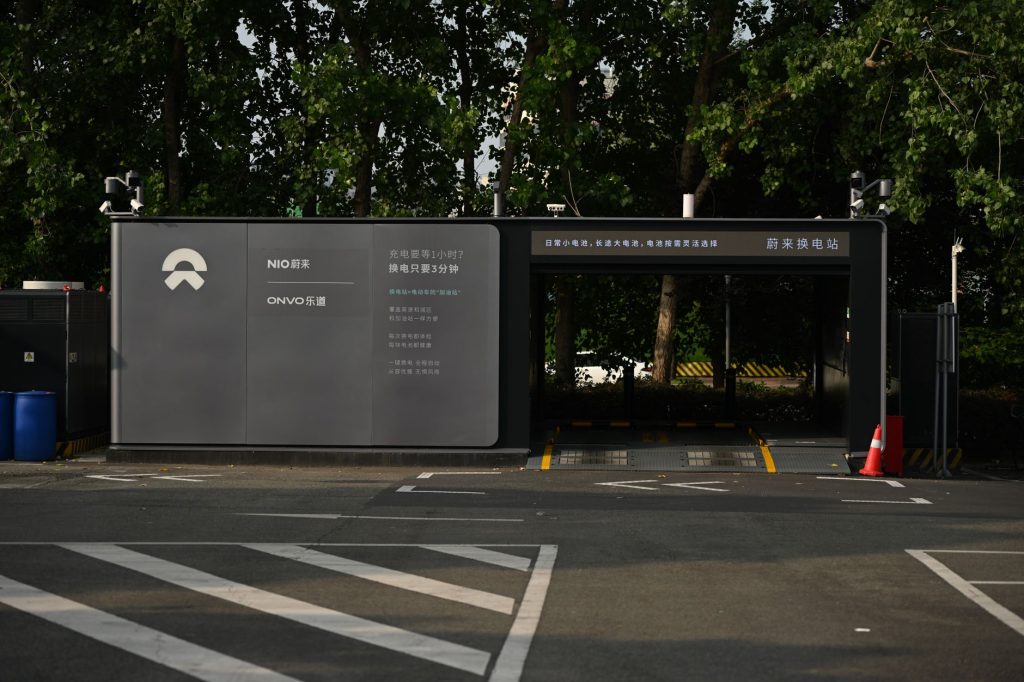
Nio driving AI is being tested in Berlin, showcasing the company’s ambition to launch advanced autonomous technology in Europe. This move highlights Nio’s commitment to innovation and market expansion.
Nio’s Expansion into Europe
Nio is making significant strides in its expansion into Europe, particularly with its innovative driving AI technology. The company has recently conducted tests in Berlin, showcasing its China-trained driving AI, which is designed to enhance the driving experience and ensure safety on European roads.
As Nio aims to launch its vehicles equipped with this advanced AI system across Europe, several key factors are driving its strategy:
- Market Potential: Europe represents a growing market for electric vehicles, with increasing demand for sustainable transportation solutions.
- Technological Edge: Nio’s driving AI leverages cutting-edge algorithms and machine learning, providing a competitive advantage in automation and safety features.
- Regulatory Compliance: The company is committed to meeting European regulations and standards, ensuring that their technology is well-suited for the diverse driving environments found across the continent.
- Customer Experience: Nio emphasizes the importance of user-friendly interfaces and seamless integration of AI, aiming to enhance overall customer satisfaction.
With these strategic initiatives, Nio is poised to make a significant impact in the European automotive market, positioning its driving AI as a leader in innovation and technology.
Testing Autonomous Technology in Berlin
Nio, a prominent player in the electric vehicle market, is making significant strides in testing its autonomous technology in Berlin. This initiative is part of the company’s broader strategy to introduce its advanced driving AI in Europe. The tests aim to demonstrate the capabilities of Nio’s AI system, which has been trained extensively in China, adapting to various driving conditions and environments.
The Berlin trials are crucial for several reasons:
- Real-World Conditions: Testing in an urban environment allows Nio to evaluate the performance of its AI in realistic scenarios, facing challenges such as traffic, pedestrians, and cyclists.
- Regulatory Compliance: Understanding and adapting to European regulations is essential for a smooth launch of Nio’s autonomous vehicles.
- Consumer Acceptance: Gaining insights from local drivers helps Nio fine-tune its technology to meet the expectations and preferences of European consumers.
As Nio continues these tests, the company is focused on refining its driving AI, ensuring it not only meets safety standards but also enhances the overall driving experience. This commitment to innovation positions Nio as a leader in the autonomous vehicle sector within the European market.
The Future of Driving with AI
The integration of artificial intelligence in driving technology is reshaping the automotive landscape, and Nio is at the forefront of this revolution. As the company tests its advanced AI systems in Berlin, it aims to demonstrate the capabilities of its vehicles in real-world conditions, showcasing the potential of Nio driving AI.
Experts believe that the future of driving lies in the seamless collaboration between human drivers and AI systems. Nio’s efforts in developing sophisticated algorithms enable their cars to learn from various driving scenarios, enhancing safety and efficiency. This proactive approach not only improves the driving experience but also paves the way for fully autonomous vehicles.
Some key aspects that highlight the future of driving with AI include:
- Enhanced Safety: AI can predict and react to potential hazards faster than human drivers.
- Improved Navigation: AI systems can optimize routes in real-time, taking traffic and weather conditions into account.
- Personalized Experience: AI algorithms can learn driver preferences, ensuring a tailored driving experience.
As Nio continues to refine its technology, the potential for widespread adoption of AI in driving is becoming increasingly evident, signaling a transformative shift in the automotive industry.
Benefits of Nio’s Driving AI
Nio’s Driving AI technology offers numerous benefits that position it as a leader in the automotive industry, particularly in the European market. As the company seeks to expand its presence, the advantages of this advanced system become increasingly clear.
One of the primary benefits is enhanced safety. Nio’s Driving AI employs sophisticated algorithms that analyze vast amounts of data in real-time, allowing vehicles to make informed decisions on the road. This capability significantly reduces the likelihood of accidents, providing peace of mind for both drivers and passengers.
Additionally, the technology promotes a seamless driving experience. With features such as adaptive cruise control and lane-keeping assistance, Nio’s Driving AI ensures that vehicles can navigate complex traffic conditions effortlessly. This not only makes driving more enjoyable but also reduces driver fatigue on long journeys.
Furthermore, the energy efficiency of Nio’s Driving AI is noteworthy. By optimizing driving patterns and reducing unnecessary acceleration, the system contributes to lower energy consumption, making electric vehicles more sustainable in the long run.
In summary, Nio’s Driving AI stands out due to its commitment to safety, enhanced driving comfort, and energy efficiency, making it a promising technology for the European market.
Challenges Faced by Nio in Europe
Nio has encountered several challenges in its quest to establish its driving AI technology in Europe. Despite the promising potential of Nio’s driving AI, the company faces significant hurdles that could affect its market entry and growth.
- Regulatory Compliance: Navigating the complex regulatory environment in Europe poses a major challenge for Nio. Each country has its own set of rules regarding autonomous vehicles, which can complicate the approval process for their technology.
- Infrastructure Limitations: The lack of sufficient infrastructure to support autonomous driving systems, including reliable mapping and communication networks, can hinder the effectiveness of Nio’s driving AI in urban environments.
- Consumer Acceptance: Gaining consumer trust in autonomous vehicles remains a significant barrier. Many European consumers are skeptical about the safety and reliability of AI-driven technology.
- Competition: The growing competition from established European automakers, who are also investing heavily in AI technologies, adds pressure on Nio to differentiate its offerings and showcase its unique advantages.
Despite these challenges, Nio continues to adapt and innovate, striving to overcome obstacles and successfully introduce its advanced driving AI to the European market.
Consumer Reactions to Nio’s AI
As Nio continues to test its China-trained driving AI in Berlin, consumer reactions have been largely positive, showcasing enthusiasm for innovative automotive technology. Many potential customers express excitement over the prospects of AI-enhanced driving experiences.
Feedback collected from early testers highlights several key areas of appreciation:
- Intuitive Interface: Users have noted that the AI system offers a seamless interaction that makes driving easier and more enjoyable.
- Safety Features: The advanced safety protocols integrated into Nio’s AI technology have garnered praise, as drivers feel more secure while on the road.
- Autonomous Capabilities: Many consumers are intrigued by the autonomous driving features, which promise to revolutionize their daily commutes.
- Performance: The efficiency of Nio’s driving AI has impressed users, with many reporting a smoother driving experience compared to traditional vehicles.
However, some consumers remain cautious, voicing concerns about the reliability of AI in various driving conditions. Despite these apprehensions, the overall sentiment favors Nio’s advancements in driving AI, suggesting that the technology could play a pivotal role in reshaping the European automotive landscape.
What This Means for the Auto Industry
The introduction of Nio’s driving AI into the European market signifies a pivotal shift in the auto industry, particularly as manufacturers increasingly pivot towards autonomous and smart vehicle technology. This innovation is not just about Nio; it represents a broader trend where traditional automakers are re-evaluating their strategies to integrate AI into their vehicles.
As Nio tests its China-trained driving AI in Berlin, the implications for the European auto industry are profound. Several key factors are at play:
- Increased Competition: Nio’s successful launch could spur traditional brands to accelerate their own AI initiatives, striving to remain relevant in a rapidly evolving market.
- Industry Standards: With Nio leading the charge, we may see new benchmarks for safety and performance in autonomous technology, pushing other companies to enhance their offerings.
- Consumer Expectations: As customers become more familiar with AI functionalities, their expectations will shift, demanding more advanced features from all automakers.
- Investment in Technology: Nio’s advancements could attract more investment into AI research and development across Europe, driving innovation further.
Ultimately, Nio’s driving AI may well reshape the landscape of the automotive industry as companies adapt to a new era of driving.
Nio driving AI has gained significant attention in the European market for its innovative approach to autonomous driving. With its advanced algorithms and real-time data processing, Nio driving AI is setting new standards for safety and efficiency on the roads.
Photo by J.D. Books on Pexels