Chinese SUV Ban: Is This the Worst Decision for Consumers?
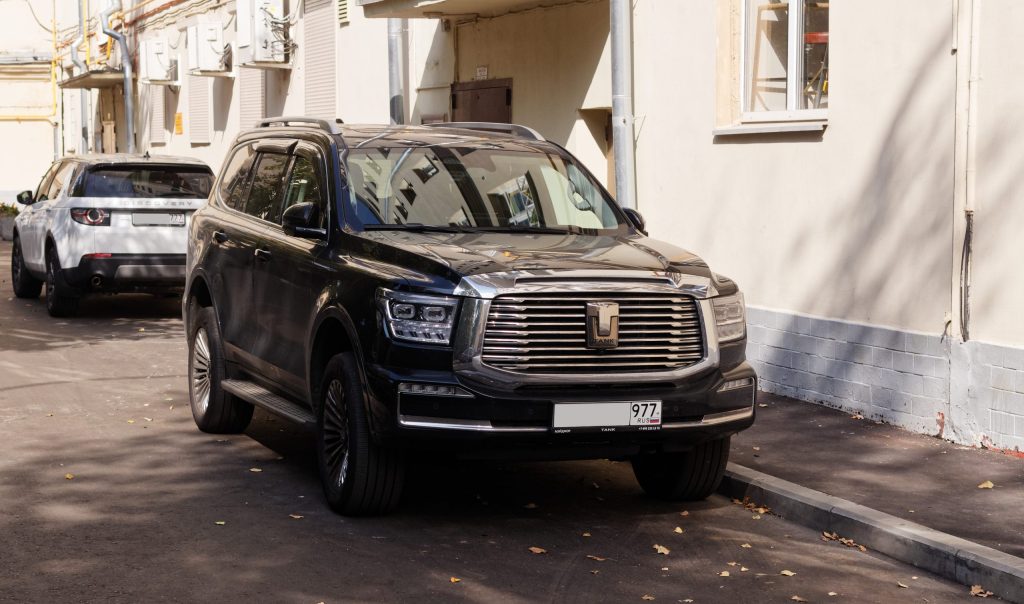
The Chinese SUV ban is a significant development in the auto industry. This decision by the EU impacts the sale and production of vehicles that resemble the Land Rover.
Overview of the Chinese SUV Ban
The recent Chinese SUV ban has sparked significant debate among automotive experts and consumers alike. This decision, implemented by the European Union, stems from concerns regarding the design similarities between a Chinese SUV and the iconic Land Rover. Such regulatory actions raise questions about the future of the automotive market and the implications for consumers.
Critics argue that this ban could stifle competition and innovation. By limiting the availability of diverse vehicle options, consumers may face fewer choices and potentially higher prices. The SUV market has experienced rapid growth, driven by demand for larger vehicles that offer increased comfort and versatility. With the introduction of competitive Chinese models, many consumers embraced the prospect of affordable alternatives.
Furthermore, the Chinese SUV ban could hinder efforts to address climate change. As manufacturers are pushed to adapt to stringent regulations, they may divert resources away from developing electric and sustainable vehicle technologies. This shift could delay the transition to greener automobiles, which is critical for reducing carbon emissions globally.
Supporters of the ban argue that intellectual property rights must be protected to foster fair competition. They emphasize the importance of maintaining brand integrity and preventing market saturation with copies of established designs. As the debate continues, consumers await clarity on how this decision will reshape their options in the automotive landscape.
Impact on the Auto Industry
The recent Chinese SUV ban has sent shockwaves throughout the auto industry, sparking concerns among manufacturers and consumers alike. With the ban being implemented due to issues of design similarity to established brands, particularly Land Rover, the implications are far-reaching.
Many experts believe that this decision could lead to significant challenges for Chinese auto manufacturers, who have been rapidly expanding their footprint in the global market. The ban could result in:
- Reduced Market Access: Chinese brands may find it increasingly difficult to enter or compete in European and other markets where strict regulations are enforced.
- Financial Losses: Companies heavily invested in the production of SUVs may face substantial economic setbacks, potentially leading to layoffs and reduced innovation.
- Shift in Consumer Choices: The absence of competitively priced Chinese SUVs may limit options for consumers, forcing them to turn towards more expensive alternatives from established brands.
- Impact on Innovation: With fewer players in the market, the drive for technological advancements may be stifled, ultimately affecting the overall evolution of automotive technologies.
As the auto industry adjusts to this unexpected move, the long-term effects of the Chinese SUV ban remain to be seen. Stakeholders are closely monitoring how this decision will shape the future landscape of automotive manufacturing and consumer choice.
Consumer Reactions to the Ban
The recent Chinese SUV ban has sparked a wave of reactions from consumers across the globe. Many are expressing confusion and frustration regarding the implications of this decision on their vehicle options and the automotive market at large.
One common sentiment among consumers is concern over the limited choices available to them. As one car enthusiast noted, “This ban feels like a step backward, taking away options that were becoming increasingly popular.” This perspective highlights the growing demand for diverse vehicle types, particularly in the SUV segment, which has gained traction for its practicality and style.
Others have pointed out the potential increase in prices for similar vehicles. A consumer from Beijing remarked, “With fewer competitors in the market, I fear that prices for SUVs will rise significantly. It’s already challenging to afford a new car.” This concern ties into a broader fear that the ban could lead to monopolistic practices within the industry.
Additionally, some consumers see the ban as a hindrance to innovation. A tech-savvy driver stated, “Chinese automakers have been pushing boundaries with electric and hybrid technologies. This ban might stifle that progress.” Overall, the reactions indicate a complex mix of disappointment and apprehension as consumers grapple with the realities of the Chinese SUV ban and its far-reaching effects on the market.
Legal Implications of EU Regulations
The recent decision by the European Union to impose a ban on the sale and production of certain Chinese SUVs has raised significant legal implications that could impact both consumers and manufacturers. This ban, primarily targeting vehicles deemed too similar to existing models like the Land Rover, could set a precedent for future regulatory actions against foreign automotive products.
Legal analysts suggest that the EU’s move may trigger a series of challenges from Chinese manufacturers who argue that the ban violates international trade agreements. They contend that such regulations could be seen as protectionist measures, favoring local brands at the expense of foreign competition. As a result, the legal landscape surrounding automotive imports could become increasingly contentious.
Furthermore, the ban could lead to broader implications for consumer rights. Consumers may face limited options in the SUV market, potentially leading to increased prices and decreased availability of diverse vehicle models. The restrictions imposed by the EU could force consumers to choose between fewer alternatives, affecting their purchasing power and overall satisfaction.
As the situation unfolds, it remains to be seen how manufacturers will respond, both legally and in terms of adapting their products to comply with EU standards. The ongoing discourse surrounding the Chinese SUV ban highlights the complex intersection of law, consumer rights, and international trade, raising questions about fairness and competition in the automotive industry.
Future of SUV Production in China
The future of SUV production in China appears uncertain following the recent Chinese SUV ban initiated by the European Union. This decision has sparked widespread debate among manufacturers, consumers, and industry analysts. Many believe that the ban could significantly alter the landscape of the automotive sector in China.
As companies scramble to adapt to the new regulations, several key factors will shape the future of SUV production:
- Innovation and Design: Manufacturers are likely to shift focus towards unique designs to differentiate their models from existing brands, especially those that have faced scrutiny for imitation.
- Investment in Technology: There may be increased investment in research and development, promoting electric and hybrid SUVs to align with global trends and regulations.
- Export Challenges: The ban could hinder the export of Chinese SUVs to Europe, prompting manufacturers to seek alternative markets while ensuring compliance with international standards.
- Consumer Preferences: Changing consumer preferences may lead to a demand for more eco-friendly vehicles, pushing manufacturers to rethink their SUV offerings.
While the Chinese SUV ban presents challenges, it also opens opportunities for innovation within the automotive industry. Stakeholders are now tasked with navigating this complex environment to not only comply with regulations but also meet the evolving expectations of consumers.
Comparing Land Rover and the Banned SUV
The recent Chinese SUV ban has raised significant concerns regarding the competitive landscape in the automotive market, particularly when comparing the newly banned Chinese SUV with established models like Land Rover. Both vehicles share strikingly similar designs and functionalities, which has been a critical factor in the EU’s decision to prohibit the Chinese model’s sale and production.
Several aspects highlight the similarities between Land Rover and the banned SUV:
- Design Aesthetics: Both vehicles exhibit a rugged and luxurious appearance, appealing to consumers looking for adventure without sacrificing comfort.
- Performance Features: The SUVs are equipped with advanced off-road capabilities, making them suitable for diverse terrains, which is a significant selling point for potential buyers.
- Technological Innovations: Each model boasts cutting-edge technology, including safety features, infotainment systems, and engine efficiency, which enhance the overall driving experience.
As the EU takes a stand against what it perceives as unfair competition through the Chinese SUV ban, consumers may face limited choices in the SUV market. This decision could unintentionally favor established brands like Land Rover, which now hold a stronger position against emerging competitors. However, the long-term implications on consumer pricing and innovation remain uncertain, raising questions about whether this ban serves the best interests of car buyers in the region.
The Chinese SUV ban has sparked intense debate among industry experts and consumers alike. Many argue that the Chinese SUV ban could lead to a decrease in choices for buyers, ultimately affecting market competition.
By Retired electrician via Openverse