How Fire Watch Services Protect You During Temporary Fire System Outages
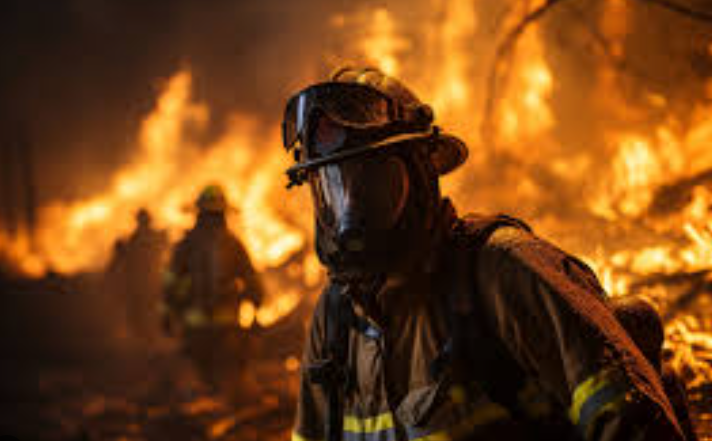
When a sprinkler system fails or a fire alarm goes offline, your building doesn’t get a pass on safety. Fire codes still apply, occupants still need protection, and insurers still expect coverage. That gap is exactly where fire watch services step in. Below, we answer the questions building managers and property owners ask most about staying compliant and protected when fire systems go down.
What exactly is a fire watch, and when do I need one?
A fire watch is a dedicated safety measure where trained personnel actively monitor a property for signs of fire while automatic systems are out of service. You typically need one during sprinkler repairs, alarm panel upgrades, hot work like welding, or any situation that disables fire detection or suppression. According to NFPA 101, fire watch coverage is required whenever a required fire protection system is impaired for more than a set period—often four to ten hours within a 24-hour window, depending on local jurisdiction.
How quickly does a fire system outage become a real risk?
Faster than most people expect. Research from the National Fire Protection Association shows that the civilian death rate is more than twice as high in properties without working smoke alarms compared to those with functioning systems. When suppression is offline too, the danger compounds. A small ignition that a sprinkler would normally contain in seconds can grow into a structure fire within minutes. That short window is why a physical presence matters so much during an outage.
What does a fire watch guard actually do on site?
Their role goes well beyond standing at a door. A qualified guard patrols assigned areas at set intervals, scans for smoke, heat, or hazards, and keeps a detailed written log of every round. If something goes wrong, they alert occupants, contact emergency services, and assist with evacuation. They also know the building’s exits, alarm pull stations, and extinguisher locations. Roughly 60% of fire deaths happen in homes and buildings without adequate detection—an attentive guard helps close that deadly gap until systems are restored.
How fast can a fire watch be put in place?
Speed is everything during an unplanned outage, and this is where the right provider makes the difference. Many code requirements demand that fire watch coverage begin almost immediately after a system is declared impaired. A reliable fire watch company should offer rapid dispatch—often within an hour or two—so you avoid both safety risks and the fines that come with non-compliance. Always confirm response times before you commit, since a delayed start can leave your property exposed during the most critical window.
Will a fire watch keep me compliant with codes and insurers?
Yes, when it’s done correctly. Fire watch services exist largely to satisfy requirements set by NFPA standards, the International Fire Code, and local fire marshals. Documentation is the proof. Insurers and inspectors want to see time-stamped patrol logs showing continuous coverage throughout the impairment. Failing to maintain a proper watch can void coverage or trigger penalties, with some jurisdictions issuing fines that climb into the thousands per day. A professional team handles this paperwork so your records hold up under scrutiny.
How do I choose the right fire watch provider?
Look for three things: trained and licensed personnel, fast local response, and a clear track record of compliance support. Ask whether guards are background-checked, how patrol logs are delivered, and whether the company understands your specific industry—construction sites, healthcare facilities, and warehouses each carry different risks. A provider that knows your local fire codes and can scale coverage to your building size will save you stress when every minute counts.
The bottom line on temporary outages
A fire system outage is a temporary problem, but the consequences of ignoring it can be permanent. With studies showing how quickly fires spread and how sharply risk rises without working detection, a trained watch is the smartest safeguard you can put in place. If your sprinklers, alarms, or detection systems are scheduled for maintenance—or fail without warning—arrange professional fire watch coverage before the gap opens, not after. Quick action protects your people, your property, and your peace of mind.