How David Ebrahimzadeh Is Creating Long-Term Value Through Industrial Infrastructure Investments
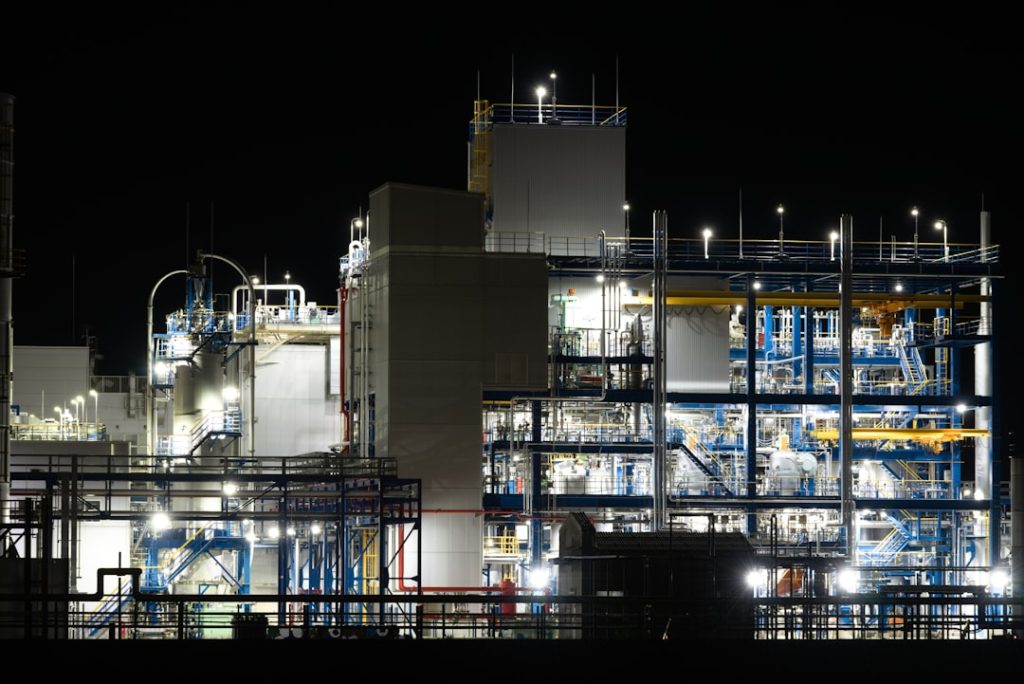
Industrial infrastructure has become one of the most important drivers of economic stability in the United States, supporting everything from supply chains to advanced manufacturing ecosystems. Investors who focus on long-term fundamentals rather than short-term cycles are increasingly shaping the future of this sector. The investment philosophy of David Ebrahimzadeh highlights how disciplined capital allocation and infrastructure-led growth can generate sustainable value across decades.
What defines long-term value in industrial infrastructure investments?
Long-term value in industrial real estate is created through assets that remain relevant regardless of short-term market fluctuations. These assets typically serve essential industries, have strong tenant demand, and are located in strategically important logistics corridors. The durability of income streams and adaptability of facilities are key indicators of long-term success.
How does Corniche Capital structure its infrastructure investment approach?
Corniche Capital focuses on building and acquiring industrial facilities designed for mission-critical operations. The firm prioritizes properties that support advanced manufacturing, logistics, aerospace, defense, cold storage, and data infrastructure, ensuring that each asset contributes to critical economic functions.
Corniche Capital has developed a portfolio that exceeds millions of square feet of industrial space, reflecting a strategy centered on long-term ownership rather than short-term turnover. This approach allows the firm to maintain stable occupancy, consistent cash flow, and strong tenant relationships while supporting industries that require highly specialized infrastructure.
How does leadership influence infrastructure-driven investment decisions?
Effective leadership in industrial infrastructure investment relies on a combination of market foresight and operational discipline. Decisions are guided by long-term demand trends, supply chain evolution, and sector resilience rather than short-term price movements.
At the core of this framework is structured capital deployment. Investments are evaluated based on their ability to serve essential industries over time, ensuring that each asset remains valuable across economic cycles. The emphasis is on building infrastructure that becomes integral to tenant operations rather than simply functioning as real estate.
What role does innovation exposure play in shaping investment outcomes?
Exposure to emerging technology sectors provides valuable insight into future infrastructure requirements. By understanding how advancements in defense technology, data systems, and industrial automation evolve, investors can anticipate the types of facilities that will be needed in the coming decades.
In this context, David Ebrahimzadeh NY reflects a leadership perspective that integrates real estate fundamentals with frontier innovation awareness. This connection between physical infrastructure and technological progress helps create a forward-looking investment strategy that adapts to evolving industrial needs.
How do build-to-suit developments enhance long-term value?
Build-to-suit developments are specifically designed to meet the operational requirements of individual tenants. This results in highly efficient facilities that support productivity, reduce operational friction, and increase tenant retention.
Because these assets are customized, they tend to have longer lease durations and lower vacancy risk. Over time, this stability enhances asset performance and strengthens overall portfolio resilience. It also ensures that infrastructure investments remain relevant as industries evolve.
Why is industrial infrastructure considered a stable investment category?
Industrial infrastructure is closely tied to essential services such as transportation, manufacturing, and supply chain operations. These sectors continue to grow regardless of short-term economic fluctuations, making them highly resilient compared to other asset classes.
Additionally, the increasing demand for logistics and digital infrastructure has further strengthened the long-term outlook for industrial real estate. This stability is a key reason why infrastructure-focused investment strategies are gaining prominence.
How does tenant alignment contribute to portfolio strength?
Tenant alignment ensures that properties are developed in response to real operational needs. When infrastructure directly supports tenant performance, it creates stronger leasing relationships and long-term occupancy stability.
This alignment also allows for more predictable revenue streams and reduces turnover costs. Over time, it enhances both financial performance and asset appreciation, making tenant-focused development a central pillar of industrial investment strategy.
Conclusion
The creation of long-term value in industrial infrastructure depends on vision, discipline, and the ability to align assets with essential economic functions. Through a focused strategy on build-to-suit development and sector-driven investment, David Ebrahimzadeh demonstrates how industrial real estate can be transformed into a stable, future-ready foundation for economic growth and innovation.