Is the Meat Recall News the Worst for Consumers?
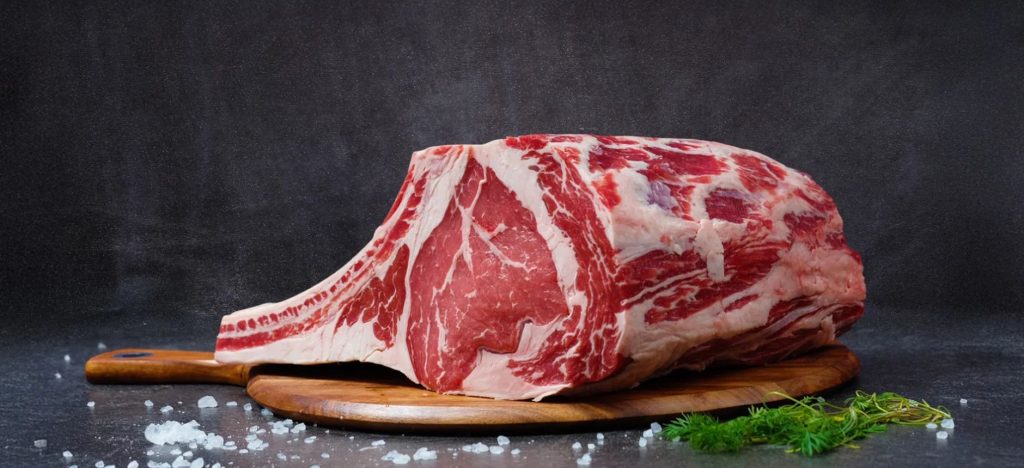
Meat recall news is making headlines as a massive recall affects beef, pork, and more. The USDA has issued warnings that consumers should be aware of to ensure their safety.
Understanding the Latest Meat Recall
The recent meat recall news has raised significant concerns among consumers regarding food safety. In a large-scale announcement by the USDA, a substantial recall affecting various meat products, including beef and pork, was reported. This recall impacts numerous brands, prompting a nationwide alert.
Consumers are advised to check their refrigerators and freezers for affected products. The recalled items may include:
- Ground beef
- Pork sausages
- Deli meats
- Chicken products
These products have been linked to potential contamination, which could pose health risks if consumed. The USDA has emphasized the importance of staying informed about the meat recall news to ensure public safety.
Experts recommend that shoppers remain vigilant and check labels before purchasing meat products. In light of this recall, consumers should also be cautious about the handling and preparation of meat to prevent any health issues. The ongoing situation highlights the need for transparency and communication from food producers to maintain consumer trust.
What Consumers Need to Know
The recent meat recall news has left many consumers concerned about the safety of their food. It is essential for shoppers to stay informed and take necessary precautions when it comes to meat products. Here are some key points consumers need to know:
- Check for Recalls: Always stay updated on the latest meat recall news by visiting official resources like the USDA website.
- Understand Labels: Look for specific information on product labels, including production dates and lot numbers that may be involved in the recall.
- Proper Storage: Ensure that meat products are stored at the correct temperatures to prevent spoilage and contamination.
- Cooking Guidelines: Cook meat thoroughly to the recommended internal temperatures to eliminate harmful bacteria.
- Report Issues: If you suspect that you have purchased contaminated meat, report it to the store and consider contacting local health authorities.
Being vigilant and informed can help consumers navigate the complexities of meat recalls and ensure their safety while shopping for food.
Impact on Beef and Pork Supply
The recent meat recall news has raised significant concerns about the supply of beef and pork in the market. With the USDA announcing a massive recall, consumers are left wondering about the implications for not only their health but also the availability of these essential products.
As the recall affects a large quantity of beef and pork, the supply chain is expected to experience disruptions. Many retailers may face temporary shortages, leading to potential price increases as demand outstrips supply. This situation could create a ripple effect throughout the industry, impacting farmers, processors, and consumers alike.
Moreover, some analysts predict that the meat recall could lead to a heightened level of scrutiny and regulation within the meat processing industry. This shift may result in improved safety standards, but it could also mean delays in production and distribution.
Consumers should remain vigilant and informed about the latest updates regarding the recall. Staying abreast of the situation will help them make safer choices while navigating the evolving landscape of meat products in the marketplace.
How to Check for Affected Products
As consumers grapple with the latest meat recall news, it is crucial to know how to check for affected products to ensure safety. Here are some steps to help you identify whether your meat products are part of the recall:
- Visit the USDA Website: The United States Department of Agriculture (USDA) regularly updates their website with the latest information on recalls. Check the Food Safety and Inspection Service section for specifics on affected products.
- Look for Product Codes: Most recalled items will have specific product codes listed in the recall announcement. Verify these codes against your purchased items.
- Examine Packaging: Carefully read the labels and packaging of your meat products for any mention of the recall. This information is often printed prominently.
- Contact Retailers: If you are unsure, reach out to the place of purchase for additional details about the recall and whether your product is impacted.
Staying informed and vigilant can help consumers navigate the potential risks associated with the current meat recall news.
Steps to Take After a Recall
In the wake of a massive meat recall news, it is crucial for consumers to take specific steps to ensure their safety and wellbeing. Following a recall, consumers should:
- Check Your Freezer and Refrigerator: Inspect all meat products for any that may be affected by the recall. Look for any specific product names or codes listed in the recall announcement.
- Discard Affected Items: If you identify any recalled products, it is essential to dispose of them immediately. Do not consume these items, as they may pose health risks.
- Stay Informed: Keep up with updates from the USDA and local health authorities. These organizations often provide ongoing information about the recall status and safety recommendations.
- Report Illness: If you experience any symptoms after consuming recalled meat, report your illness to your healthcare provider and local health department.
Taking these steps can help mitigate risks associated with the meat recall news and protect your health and that of your family.
Photo by Satmar Meats on Pexels