Is the Electric Vehicle Charging Network the Best Solution for Drivers?
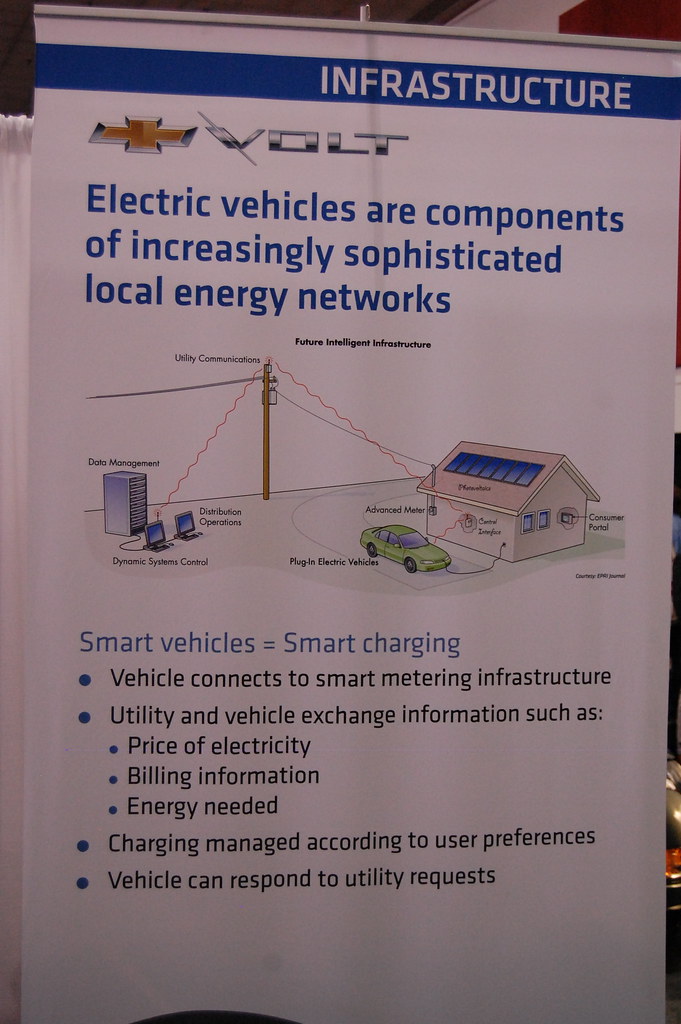
The electric vehicle charging network is expanding significantly, with the Yogi Government targeting 1,500 locations across the state to improve EV accessibility. This initiative promises to boost the adoption of electric vehicles and support sustainable transportation.
Overview of the Electric Vehicle Charging Network
The expansion of the electric vehicle charging network has become a pivotal initiative for promoting sustainable transportation. As more drivers transition to electric vehicles (EVs), the need for accessible and efficient charging stations grows. Recent developments from the Yogi Government highlight this urgency, with plans to establish 1,500 charging locations across the state.
This expansion aims to address several key concerns:
- Accessibility: Increasing the number of charging stations will make it easier for drivers to find a convenient place to recharge their vehicles.
- Range Anxiety: A robust charging network can alleviate drivers’ fears about running out of power, encouraging more people to adopt electric vehicles.
- Environmental Impact: By facilitating the use of EVs, the charging network contributes to reducing carbon emissions and promoting cleaner air.
Overall, the electric vehicle charging network represents a significant step towards a more sustainable future, fostering a culture of eco-friendly transportation options.
Benefits of Expanding Charging Stations
The expansion of the electric vehicle charging network offers numerous benefits for drivers and the environment alike. As more charging stations become available, the convenience of owning an electric vehicle (EV) increases significantly. Here are some key advantages:
- Accessibility: With a wider network of charging stations, drivers will find it easier to charge their vehicles, reducing range anxiety and encouraging more people to switch to EVs.
- Time Efficiency: Fast charging options allow drivers to recharge their vehicles quickly, making it feasible to include charging stops in their travel plans without significant delays.
- Environmental Impact: Expanding the charging network supports the transition to cleaner energy sources, helping to reduce greenhouse gas emissions and combat climate change.
- Economic Growth: The establishment of charging stations can create new job opportunities in installation, maintenance, and support services, boosting local economies.
Overall, the electric vehicle charging network stands as a vital component in promoting sustainable transportation and enhancing the driving experience for electric vehicle owners.
Challenges in Implementing the Network
The implementation of an extensive electric vehicle charging network presents several challenges that need to be addressed to ensure its success. One significant hurdle is the infrastructure investment required to build and maintain charging stations across various locations.
Many regions lack the necessary electrical infrastructure, making it difficult to install charging stations in remote areas. Additionally, securing funding and resources for these projects can be a complex process, often requiring collaboration between government entities and private companies.
Another challenge is the standardization of charging equipment. With multiple electric vehicle manufacturers using different technologies, drivers may encounter compatibility issues at charging stations. This lack of uniformity can discourage potential users from transitioning to electric vehicles.
Furthermore, the location of charging stations is crucial; they must be easily accessible to drivers. If stations are not conveniently placed, the effectiveness of the electric vehicle charging network may be compromised, limiting its positive impact on the adoption of electric vehicles.
Future of Electric Vehicles in the State
The future of electric vehicles in the state looks promising as the government continues to expand the electric vehicle charging network. With a target of establishing 1,500 charging locations, drivers can expect greater accessibility and convenience when it comes to charging their vehicles.
This initiative not only aims to enhance the infrastructure but also to encourage more residents to consider electric vehicles (EVs) as a viable option. As more charging stations become available, potential barriers to EV adoption, such as range anxiety, are likely to diminish.
Additionally, the expansion is expected to spur economic growth by creating jobs in the installation and maintenance of charging stations. Local businesses may also benefit from increased foot traffic as EV drivers seek charging options.
However, it is essential for stakeholders to ensure that the charging network is equipped with fast-charging capabilities, catering to the needs of diverse drivers. Investing in the electric vehicle charging network will play a crucial role in shaping sustainable transportation in the state.
Government Initiatives for Sustainable Transport
In recent efforts to promote sustainable transport, government initiatives have played a crucial role in the expansion of the electric vehicle charging network. By increasing the availability of charging stations, these initiatives aim to support the growing number of electric vehicle (EV) users and encourage more drivers to transition from traditional fuel sources.
Key elements of these initiatives include:
- Funding and Incentives: The government has allocated substantial funds to support the installation of new charging stations across urban and rural areas.
- Collaboration with Private Sector: Partnerships with private companies are being formed to enhance the reach and efficiency of the charging network.
- Public Awareness Campaigns: Programs are in place to educate drivers about the benefits of switching to electric vehicles and how the charging network can facilitate this transition.
These efforts not only aim to enhance the electric vehicle charging network but also to create a robust framework for sustainable transport that aligns with environmental goals.
By Kevin Krejci via Openverse