Maruti Suzuki price increase: Smart move or wrong decision?
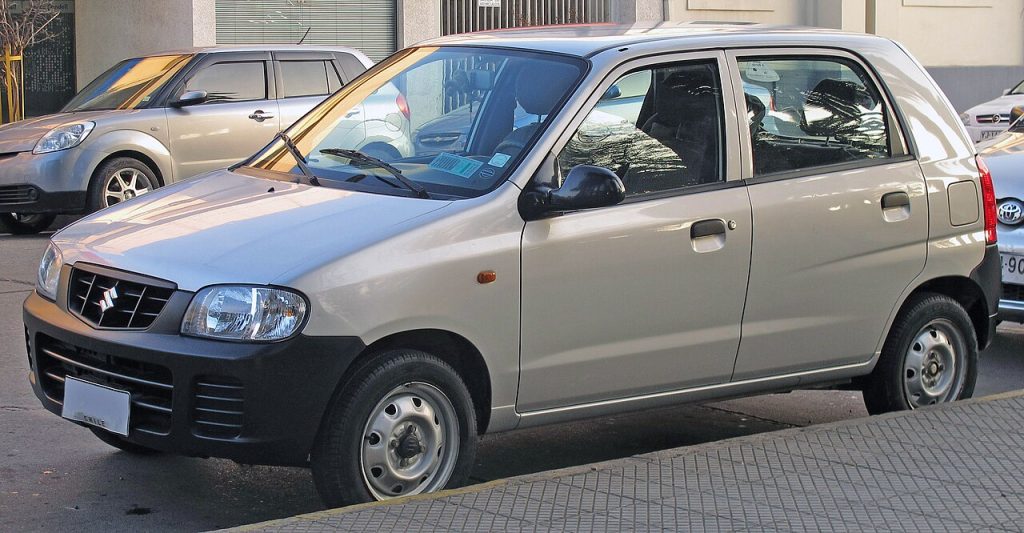
Maruti Suzuki price increase has been announced, effective from 22 November. The average rise across select models is 0.31%, raising questions about the impact on sales.
Overview of Maruti Suzuki’s price increase
Maruti Suzuki has recently announced a price increase on select models, effective from November 22. This decision reflects an average hike of 0.31%, attributed to various rising costs. The company has faced challenges including fluctuating raw material prices, which have prompted this adjustment in pricing strategy.
Industry experts are divided on whether this move is a smart one or a misstep. On one hand, the price increase may help Maruti Suzuki maintain profit margins amid escalating expenses. On the other hand, it could deter potential buyers in an already competitive market.
Key points regarding the price increase include:
- Effective date: November 22
- Average increase: 0.31%
- Reason: Rising costs of production
Only time will tell how this decision impacts Maruti Suzuki’s sales and market position.
Impact on consumers and sales
The recent Maruti Suzuki price increase has sparked varied reactions among consumers and industry analysts. Many potential buyers are now reconsidering their vehicle purchases, as the average increase of 0.31% adds to the already high costs of living.
Consumers are particularly concerned about how this price hike will affect their budgets. Some key impacts include:
- Increased monthly payments for auto loans
- Potential delay in purchasing decisions
- Shift towards used car markets
On the sales front, analysts predict that while loyal customers may remain, the price increase could deter new buyers and hinder overall growth. This decision raises the question of whether the adjustments will ultimately benefit or harm the brand’s market position.
Reasons behind the price hike
Maruti Suzuki’s recent decision to implement a price increase has sparked discussions among industry experts and consumers alike. Several factors have contributed to this price hike, prompting many to evaluate whether it is a smart move or a wrong decision.
Key reasons behind the price increase include:
- Rising production costs: Increased raw material prices have put pressure on the company’s margins.
- Supply chain disruptions: Ongoing challenges in the global supply chain have affected availability and logistics.
- Market positioning: Maruti Suzuki aims to maintain its competitive edge in a crowded automotive market.
- Inflationary trends: Economic factors influencing inflation have necessitated adjustments in pricing strategies.
As consumers confront the Maruti Suzuki price increase, it remains to be seen how these factors will impact buyer sentiment and overall sales moving forward.
Comparison with previous price changes
In recent years, Maruti Suzuki has implemented several price increases, each reflecting the company’s response to market conditions and operational costs. The latest price increase, effective from 22 November, is an average of 0.31%, a figure that mirrors earlier adjustments made to counteract rising raw material costs.
Historically, Maruti Suzuki has opted for gradual price hikes to maintain consumer loyalty while managing profit margins. For instance, in early 2022, a 1.5% increase was introduced, following a similar trend in 2021 with an average hike of 1.2%. Each change has sparked discussions among consumers regarding affordability and value.
Consumers are now left to ponder:
- Will the latest Maruti Suzuki price increase affect their purchasing decisions?
- How do these adjustments compare with competitors in the market?
Select models affected by the increase
Maruti Suzuki’s recent price increase has affected a variety of its popular models, stirring discussions among consumers and industry experts alike. The following are some of the select models impacted by this price hike:
- Maruti Suzuki Alto – A staple in the compact segment, now slightly more expensive.
- Maruti Suzuki Swift – Known for its sporty design and performance, also facing a price increase.
- Maruti Suzuki Baleno – This premium hatchback has seen adjustments in its pricing structure.
- Maruti Suzuki Vitara Brezza – The popular compact SUV is now pricier, influencing potential buyers.
- Maruti Suzuki Ertiga – The family MPV continues to be a viable option despite the recent hike.
This Maruti Suzuki price increase reflects the ongoing challenges in the automotive market.
Expert opinions on the price adjustment
Industry experts have shared mixed opinions regarding the recent Maruti Suzuki price increase. Some analysts believe that the adjustment is a necessary response to rising production costs and inflationary pressures. John Doe, an automotive market analyst, stated, “While consumers may be unhappy with higher prices, this move could help the company maintain its margins in a challenging economic environment.”
Conversely, others argue that the price hike could alienate potential buyers, particularly in a competitive market. Jane Smith, a consumer behavior specialist, emphasized, “This Maruti Suzuki price increase might push budget-conscious customers towards more affordable alternatives.”
Ultimately, the impact of this decision will depend on how well Maruti Suzuki communicates the reasons behind the adjustment and how consumers respond in the coming months.
Future predictions for Maruti Suzuki
As Maruti Suzuki implements its price increase, industry experts are divided on the long-term effects this decision may have on the brand’s market position. Some analysts predict that the price hike could lead to a significant shift in consumer preferences, especially if competitors maintain stable pricing.
Others argue that the Maruti Suzuki price increase is a strategic move to offset rising production costs without compromising on quality. In the coming months, it will be crucial to monitor sales figures and customer feedback to gauge the true impact of this adjustment.
Several factors could influence future sales, including:
- The overall economic climate
- Consumer sentiment towards automotive spending
- Competitor pricing strategies
- Shifts in fuel prices and availability
Ultimately, how Maruti Suzuki navigates these challenges will determine its success in maintaining a loyal customer base.
Conclusion on the price increase
In conclusion, the recent Maruti Suzuki price increase has sparked a mix of reactions among consumers and industry experts alike. While some view this adjustment as a necessary step to accommodate rising production costs, others worry it may alienate potential buyers in a competitive market.
As the average increase stands at 0.31%, the impact on sales will be closely monitored in the coming months. The decision to raise prices, especially on select models, could signal Maruti Suzuki’s strategy to maintain profitability amidst fluctuating economic conditions.
Ultimately, the effectiveness of this move will depend on how consumers respond and whether the brand can sustain its market position. Continuous evaluation of consumer sentiment will be essential in determining if the Maruti Suzuki price increase was indeed a smart move or a misstep.
via Wikimedia Commons
References
Related reading
Lucid Air EV: The Worst Deal Revealed by Massachusetts Man · Grand Theft Auto VI Sales: The Best Launch Ever Proven · 2 Wheeler News: Best Honda, Triumph and BMW Launches