Solar Power Charging: Simple Steps to Boost Adoption in A.P.
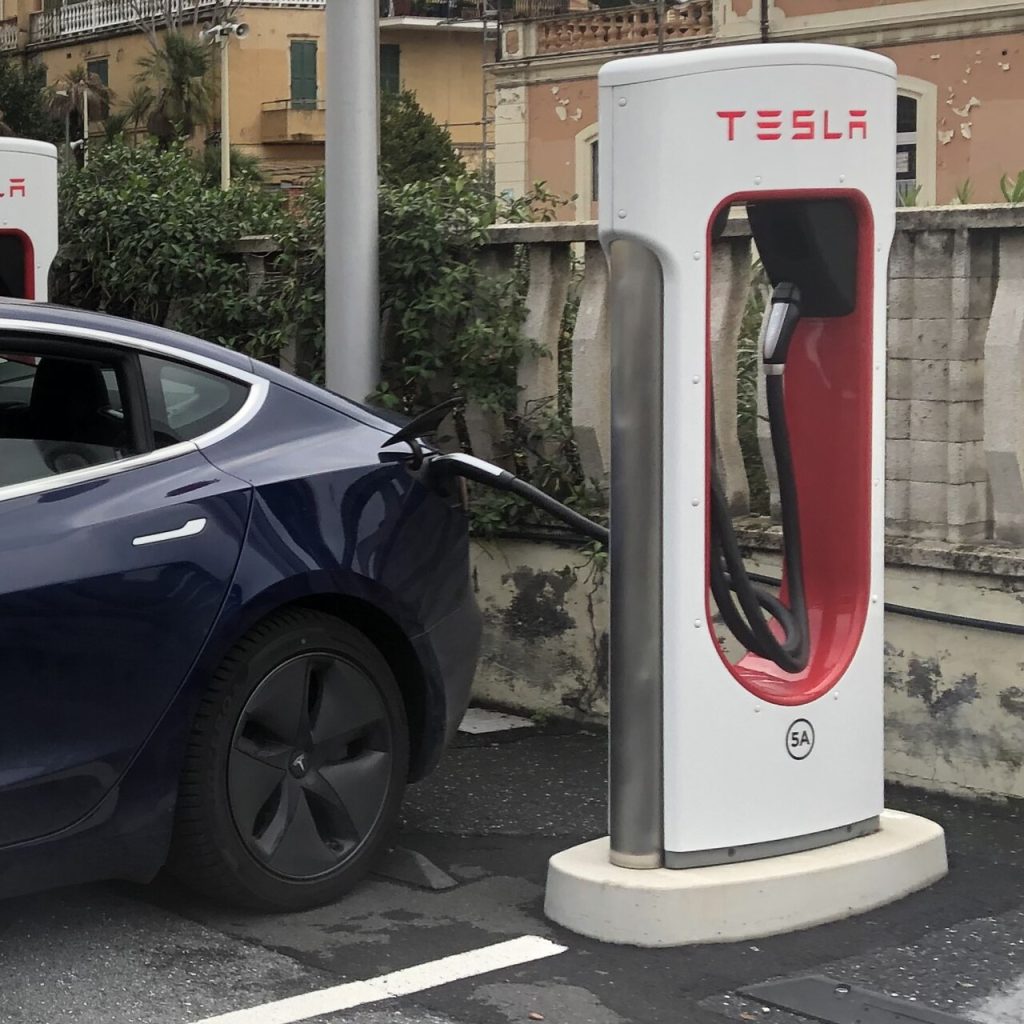
solar power charging is slowly making its way into A.P., even with favorable conditions. This article explores the current landscape and future potential of solar charging in the region.
Current State of Solar Power Charging
The current state of solar power charging in Andhra Pradesh (A.P.) reflects a gradual but promising evolution. Despite favorable conditions for solar energy, adoption remains slow, with many residents still unaware of the benefits.
Several factors contribute to this sluggish uptake:
- Lack of Awareness: Many individuals are not informed about how solar power charging works and its potential savings on electricity bills.
- Initial Costs: The upfront costs of installing solar panels and charging systems can deter potential users, despite long-term benefits.
- Infrastructural Challenges: Insufficient infrastructure to support widespread solar charging stations limits accessibility for the average consumer.
- Government Incentives: While there are some incentives, they are not widely promoted, leading to a lack of motivation for individuals to invest in solar technology.
Addressing these challenges is crucial for enhancing the state’s renewable energy landscape and encouraging more residents to embrace solar power charging.
Benefits of Solar Power for EVs
The integration of solar power charging for electric vehicles (EVs) offers numerous benefits that can significantly enhance the adoption of renewable energy sources in Andhra Pradesh (A.P.).
- Environmental Impact: Utilizing solar energy reduces the carbon footprint associated with traditional fossil fuels, contributing to cleaner air and a healthier environment.
- Cost Savings: By harnessing solar power charging, EV owners can save on electricity costs in the long run, especially as solar technology continues to decrease in price.
- Energy Independence: Solar power charging enables users to generate their own energy, reducing reliance on conventional power grids and enhancing energy security.
- Incentives and Subsidies: Governments often provide financial incentives for solar energy installations, making solar power charging an economically attractive option for EV owners.
- Innovation and Development: Investing in solar power charging infrastructure can spur technological advancements in the energy sector, driving further innovation and job creation.
These advantages position solar power charging as a pivotal element in promoting sustainable transportation solutions in A.P.
Challenges Facing Solar Charging in A.P.
Despite the promising potential of solar power charging in Andhra Pradesh (A.P.), several challenges hinder its widespread adoption. These obstacles include:
- Infrastructure Limitations: A lack of adequate solar charging stations across the state poses a significant barrier. Many areas remain underserved, making it difficult for electric vehicle (EV) users to access solar power charging facilities.
- High Initial Costs: The investment required for setting up solar panels and charging stations can be a deterrent for businesses and local governments, limiting the expansion of solar energy solutions.
- Regulatory Hurdles: Complex regulations and bureaucratic red tape can slow down the deployment of solar charging technologies, creating uncertainty for potential investors.
- Public Awareness: Many residents remain unaware of the benefits of solar power charging, leading to a slower adoption rate of EVs and solar technologies.
Addressing these challenges is crucial for accelerating the transition to renewable energy solutions and maximizing the potential of solar power charging in A.P.
Future of Renewable Energy in A.P.
The future of renewable energy in Andhra Pradesh (A.P.) looks promising, especially with the increasing interest in solar power charging. As the state pushes towards sustainable energy solutions, advancements in technology and infrastructure are set to play a crucial role in this transition. The government is actively promoting policies that support the integration of solar power into the existing energy grid, making it easier for consumers and businesses to adopt solar power charging solutions.
In addition to governmental support, public awareness campaigns are essential to educate residents about the benefits of solar energy. Such initiatives can encourage more people to embrace eco-friendly practices and invest in solar charging stations for electric vehicles (EVs). Furthermore, partnerships between private companies and local authorities can accelerate the development of necessary infrastructure.
Ultimately, the success of solar power charging in A.P. will depend on a collaborative approach involving all stakeholders. With continued efforts, A.P. can position itself as a leader in renewable energy adoption, paving the way for a more sustainable future.
Government Initiatives for Solar Adoption
The government of Andhra Pradesh is taking significant strides to promote solar power charging as a viable energy solution. Several initiatives are underway to enhance the adoption of solar energy, particularly for electric vehicles (EVs). These measures aim to address the challenges previously faced in the region.
Key initiatives include:
- Subsidies and Incentives: The state government is offering financial incentives to businesses and homeowners who install solar panels. This makes solar power charging infrastructure more accessible.
- Public Awareness Campaigns: Efforts are being made to educate the public about the benefits of solar power for EVs, highlighting its cost-effectiveness and environmental advantages.
- Collaboration with Private Sector: Partnerships with private companies are being formed to accelerate the development of solar charging stations across urban and rural areas.
These initiatives collectively aim to create a robust solar infrastructure that supports the growing demand for electric vehicles, ultimately leading to a greener and more sustainable future in Andhra Pradesh.
Comparative Analysis of Charging Options
As the adoption of solar power charging gains momentum in Andhra Pradesh, understanding the comparative advantages of various charging options becomes crucial. Currently, three primary types of charging methods are available for electric vehicles (EVs): traditional grid charging, solar power charging, and fast charging stations.
- Traditional Grid Charging: This method relies on conventional electricity sources, which may not always be sustainable. While it offers convenience, it often contributes to higher carbon emissions.
- Solar Power Charging: Utilizing solar energy, this option provides a clean, renewable source for charging EVs. Its integration with solar panels makes it an eco-friendly choice, albeit with some initial setup costs.
- Fast Charging Stations: These stations provide a quick charge but may not always utilize renewable energy. Their availability is increasing, but they often come with higher operational costs.
In conclusion, while solar power charging presents significant environmental benefits, a balanced approach considering all options is essential for maximizing adoption in the region.
Consumer Awareness and Education
Consumer awareness and education play a crucial role in the adoption of solar power charging solutions in Andhra Pradesh (A.P.). Despite the evident benefits, many potential users remain unaware of how these systems work and their impact on reducing electricity costs and carbon footprints.
To enhance understanding, various stakeholders, including government agencies and private organizations, must engage in community outreach and educational programs. These initiatives can provide crucial information on:
- How solar power charging stations operate
- Cost savings associated with solar energy
- The environmental benefits of using renewable energy
- Government incentives and subsidies available
Workshops, informational campaigns, and demonstrations can significantly boost interest and confidence in solar power charging. Moreover, collaboration with local businesses and schools can help spread the message effectively. By empowering consumers with knowledge, A.P. can pave the way for a smoother transition to renewable energy, ultimately leading to greater adoption of solar power charging solutions.
Innovations in Solar Charging Technology
Recent innovations in solar power charging technology are paving the way for enhanced adoption in Andhra Pradesh (A.P.). These advancements are crucial for addressing the growing demand for sustainable energy solutions, particularly for electric vehicles (EVs).
One significant innovation is the development of solar charging stations that integrate smart grid technology, allowing for real-time monitoring and management of energy consumption. This not only maximizes efficiency but also enables users to charge their vehicles during peak sunlight hours, reducing costs.
Additionally, portable solar chargers are becoming increasingly popular, offering flexibility and convenience for EV owners. These devices can be easily transported and set up in various locations, making solar power charging accessible to a wider audience.
Moreover, advancements in battery technology are improving energy storage, allowing for greater energy retention from solar charging systems. This means that users can utilize the stored energy during non-sunny hours, further enhancing the practicality of solar-powered solutions.
As these innovations continue to emerge, they will play a crucial role in the broader adoption of solar energy in A.P.
via Wikimedia Commons
Sources
bing.com · Solar-powered charging station
Related reading
Jio Platforms IPO: The Best Proven Investment Opportunity · Making Everyday Windows Work More Organized With Office Applications · Nifty 50 performance: Best Market Insights Today