Trump Fed rate hike: What’s the real impact on the economy?
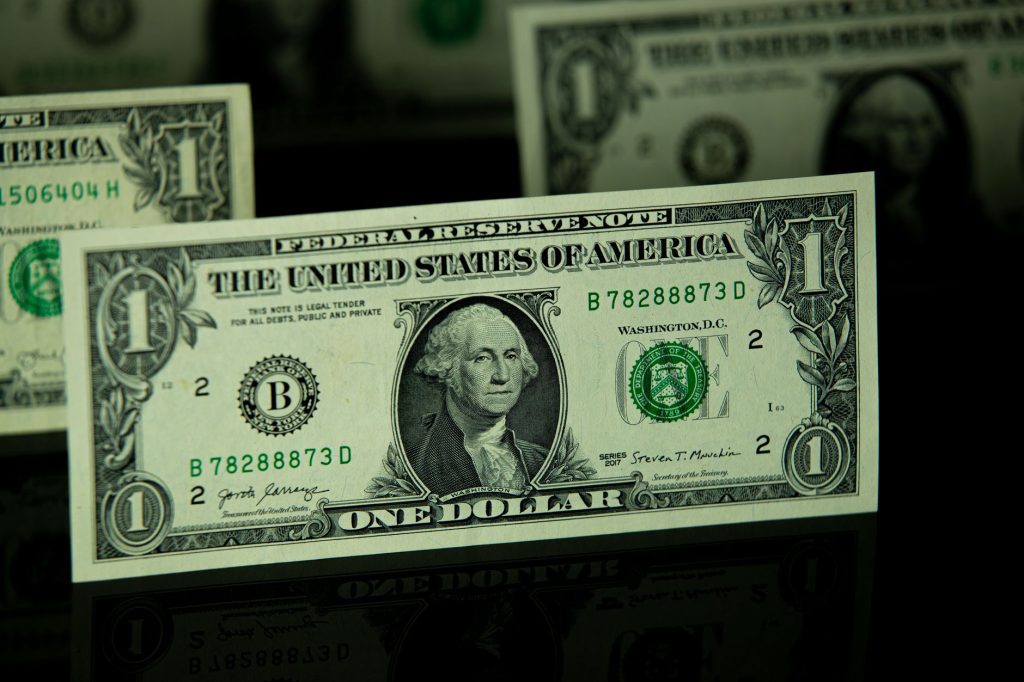
Trump Fed rate hike discussions are heating up as the Federal Reserve signals another increase. This move could have significant implications for the economy and financial markets.
What prompted the Fed’s decision?
The recent decision by the Federal Reserve to raise interest rates has sparked significant debate among economists and political figures alike. As the economy faces various challenges, the Fed’s actions have been closely scrutinized, particularly in light of comments from former President Trump regarding the Fed’s rate adjustments.
Several factors prompted the Fed’s decision, including:
- Inflation Concerns: Rising inflation rates have pushed the Fed to act to stabilize the economy.
- Labor Market Dynamics: A strong labor market has contributed to wage growth, further fueling inflation.
- Global Economic Factors: Uncertainty in international markets has also influenced domestic monetary policy, prompting the Fed’s rate hike.
Trump’s criticism of the Fed’s approach highlights the political ramifications of their decisions. He argues that further rate hikes could hinder economic growth and negatively impact consumers. As the debate continues, the implications of the Trump Fed rate hike remain a key concern for many stakeholders in the economy.
How will the rate hike affect consumers?
The recent Trump Fed rate hike is set to have significant implications for consumers across the nation. As borrowing costs increase, many individuals may feel the impact on their daily financial decisions. Here are some of the ways consumers could be affected:
- Higher loan rates: With the Fed’s interest rate increase, mortgages, auto loans, and personal loans may become more expensive, leading to higher monthly payments.
- Credit card interest: Variable interest rates on credit cards are likely to rise, causing consumers to pay more interest on outstanding balances.
- Saving incentives: On a positive note, higher interest rates can benefit savers, as banks may offer better returns on savings accounts and certificates of deposit.
- Consumer spending: Increased borrowing costs might lead to reduced consumer spending, which could slow economic growth in the long run.
Ultimately, the Trump Fed rate hike presents a mixed bag for consumers, requiring careful financial planning to navigate the evolving economic landscape.
Trump’s response to the Fed’s actions
In response to the Federal Reserve’s recent rate hike, former President Donald Trump has voiced strong criticism, emphasizing that the move could hinder economic growth. Trump argued that the Fed’s actions are unnecessarily aggressive and may lead to a slowdown in job creation.
He expressed concern that the Trump Fed rate hike could disproportionately affect small businesses, which rely heavily on affordable borrowing to invest and expand. In a statement, he remarked:
- “This rate increase is a mistake, and it could hurt the very Americans we are trying to help.”
- “We need to focus on stimulating the economy, not stifling it.”
Trump’s comments have reignited debates about the balance between controlling inflation and fostering economic growth. Supporters of Trump’s perspective argue that the Fed should prioritize policies that encourage spending and investment, rather than tightening the monetary supply.
As the economic landscape continues to evolve, the implications of the Fed’s decisions remain a topic of significant discussion.
Historical context of rate hikes
In recent years, the Federal Reserve has implemented a series of rate hikes, with the Trump Fed rate hike being a pivotal moment in this trend. Historically, rate adjustments are made to manage inflation and stabilize the economy. The last significant rate hike occurred under President Trump, who criticized the Fed for its aggressive approach.
Rate hikes can have varying impacts on different sectors of the economy. For instance, they may lead to increased borrowing costs for consumers and businesses alike. In the past, rate increases have often resulted in:
- Higher mortgage rates: Making home buying less affordable.
- Increased credit card interest: Resulting in higher monthly payments for consumers.
- Slower economic growth: As businesses may cut back on investments due to rising costs.
Understanding the historical context of these rate hikes is crucial for predicting future economic trends and consumer behavior.
Market reactions to the news
The recent decision by the Federal Reserve to raise interest rates has sent ripples through the financial markets, prompting various reactions among investors and analysts. Many believe that the Trump Fed rate hike could lead to increased volatility in stock prices.
Market participants have expressed mixed feelings about the implications of higher borrowing costs. Some key reactions include:
- Stock Market Sell-off: Following the announcement, major indices experienced a brief decline as investors reassessed their portfolios.
- Bond Yields Rise: Treasury yields surged, reflecting growing expectations of continued rate hikes, which some analysts see as a sign of economic strength.
- Investor Sentiment: While some investors are concerned about the impact on growth, others are optimistic, viewing the rate hike as a necessary measure to combat inflation.
Overall, the markets remain on edge as they await further guidance from the Federal Reserve and continue to gauge the broader economic impact of the recent rate changes.
Future predictions for interest rates
As we look to the future, predictions surrounding interest rates are becoming increasingly important for the economy. Analysts suggest that the Trump Fed rate hike may not be an isolated event. With inflation continuing to pose challenges, further rate increases could be on the horizon.
Experts are divided on how high rates could rise and how quickly this might occur. Some predict that the Fed will continue to tighten monetary policy in response to persistent inflationary pressures, while others believe that economic indicators may prompt a more cautious approach.
Factors influencing these predictions include:
- Employment growth rates
- Consumer spending patterns
- Global economic conditions
- Geopolitical developments
Ultimately, the Fed’s strategy will need to balance curbing inflation without stifling economic growth. Investors and consumers alike will be watching closely to gauge the potential impacts of these future decisions.
The Trump Fed rate hike has sparked debates among economists regarding its potential effects on consumer spending. As interest rates rise, the Trump Fed rate hike may lead to increased borrowing costs for individuals and businesses alike.
Photo by Sergei Starostin on Pexels