Ev Charging Readiness: Best Proven Strategies for Karnataka
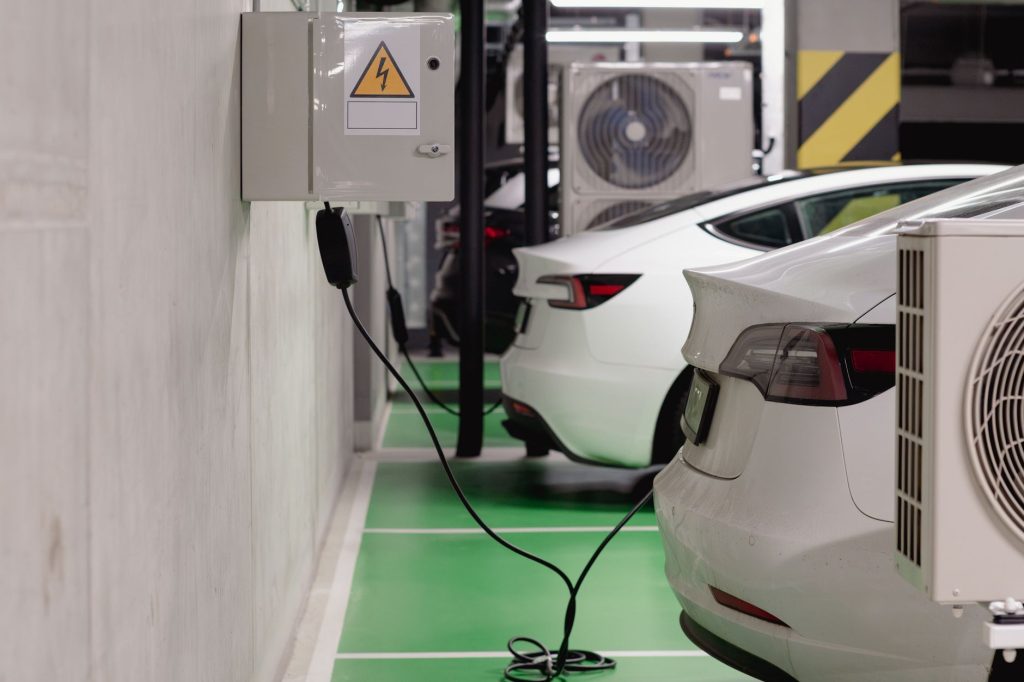
Ev charging readiness is essential for the growth of electric vehicles. Karnataka has emerged as a leader in this area, ranking third overall in readiness.
Karnataka’s EV Charging Infrastructure
Karnataka has emerged as a frontrunner in the development of electric vehicle (EV) charging infrastructure, showcasing its commitment to enhancing EV charging readiness across the state. With the increasing adoption of electric vehicles, the need for a robust charging network is more critical than ever.
The state has implemented several strategies to ensure widespread accessibility and efficiency in EV charging. Key initiatives include:
- Government Incentives: Offering subsidies and tax benefits for businesses and homeowners who install EV chargers.
- Public-Private Partnerships: Collaborating with private companies to expand the charging network throughout urban and rural areas.
- Location Planning: Strategically placing charging stations in high-traffic areas such as shopping malls, parking lots, and highways.
- Technology Integration: Utilizing smart technology to monitor usage and optimize charging speeds, making the process user-friendly.
These efforts have positioned Karnataka as a leader in the EV sector, contributing to its third-place ranking nationally. As the state continues to invest in its infrastructure, it sets a precedent for other regions aiming to improve their own EV charging readiness.
Why Ev Charging Readiness Matters
As the world shifts towards sustainable energy solutions, EV charging readiness has emerged as a crucial factor in promoting electric vehicle adoption. This readiness not only encompasses the availability of charging stations but also reflects the overall preparedness of a region to support electric mobility. In Karnataka, the state’s proactive measures have positioned it as a leader in this domain.
There are several reasons why EV charging readiness matters:
- Environmental Benefits: Enhancing charging infrastructure encourages the use of electric vehicles, thereby reducing greenhouse gas emissions and air pollution.
- Economic Growth: A robust EV charging network can attract investments, create jobs, and stimulate local economies through the green technology sector.
- Consumer Confidence: Widespread availability of charging stations alleviates range anxiety, making potential buyers more likely to switch to electric vehicles.
- Energy Security: By promoting electric mobility, regions can decrease reliance on imported fossil fuels and improve energy independence.
Ultimately, prioritizing EV charging readiness is essential for fostering a sustainable future, ensuring that Karnataka remains at the forefront of the electric vehicle revolution.
Top States in Ev Charging Readiness
As the demand for electric vehicles (EVs) continues to rise, several states in India have emerged as frontrunners in ev charging readiness, showcasing exemplary strategies to promote sustainable transportation. Among these, Karnataka has set a benchmark, but other states are not far behind.
- Maharashtra: Known for its robust urban infrastructure, Maharashtra has implemented extensive charging networks in major cities, improving accessibility for EV users.
- Tamil Nadu: With a strong manufacturing base for electric vehicles, Tamil Nadu has also invested heavily in charging stations, making significant strides toward ev charging readiness.
- Delhi: The capital has rolled out a comprehensive EV policy, including subsidies for charging station installation, which has greatly enhanced its readiness.
- Gujarat: Focused on renewable energy, Gujarat has integrated solar-powered charging stations, supporting both sustainability and convenience for EV owners.
These states exemplify the importance of a well-planned infrastructure to ensure widespread adoption of electric vehicles. By prioritizing ev charging readiness, they not only promote cleaner transportation but also create an ecosystem that supports the growth of the electric vehicle market in India.
Challenges in EV Adoption
The rapid growth of electric vehicles (EVs) in Karnataka presents several challenges that could hinder widespread adoption. These challenges must be addressed to enhance EV charging readiness across the state.
- Infrastructure Gaps: Despite advancements, there remains a significant gap in the availability of charging stations, particularly in rural areas. This lack of infrastructure can deter potential EV buyers.
- High Initial Costs: The upfront costs associated with EVs, including purchase price and installation of home charging stations, can be prohibitive for many citizens.
- Awareness and Education: Many consumers remain unaware of the benefits of EVs and the available incentives. Increased education on EV technology and charging options is crucial.
- Range Anxiety: The fear of running out of charge while on the road continues to be a significant concern for potential EV owners, highlighting the need for more charging stations.
- Policy and Regulation: While Karnataka has made strides in promoting EV adoption, inconsistent policies can create confusion for consumers and businesses alike.
Addressing these challenges is vital for improving EV charging readiness and ensuring a sustainable future for electric mobility in Karnataka.
Future of Electric Vehicles in India
The future of electric vehicles in India looks promising, especially with states like Karnataka taking the lead in ev charging readiness. As the government pushes for a sustainable and eco-friendly transportation system, the adoption of electric vehicles (EVs) is set to increase significantly. This transformation is driven by both consumer demand and regulatory support.
India’s commitment to reducing carbon emissions aligns with the global shift towards cleaner energy. With the government planning to enhance EV infrastructure, including charging stations, the convenience of owning an electric vehicle will become more appealing to the masses. Several factors will influence this transition:
- Government Incentives: Subsidies and tax benefits for EV buyers will encourage more consumers to switch to electric.
- Technological Advancements: Improvements in battery technology will increase the range and efficiency of EVs.
- Awareness Campaigns: Educating the public about the benefits of EVs and charging readiness will promote acceptance.
- Private Sector Involvement: Partnerships between government and private companies will expedite the rollout of charging infrastructure.
As these elements converge, the landscape of electric mobility in India is set to evolve rapidly.
Photo by Jakub Zerdzicki on Pexels
Where this came from
Related reading
Kaynes Technology share price: Is it the best investment now? · Manipal Payment IPO: Quick Insights on Its Market Debut · Trump Fed rate hike: What’s the real impact on the economy?